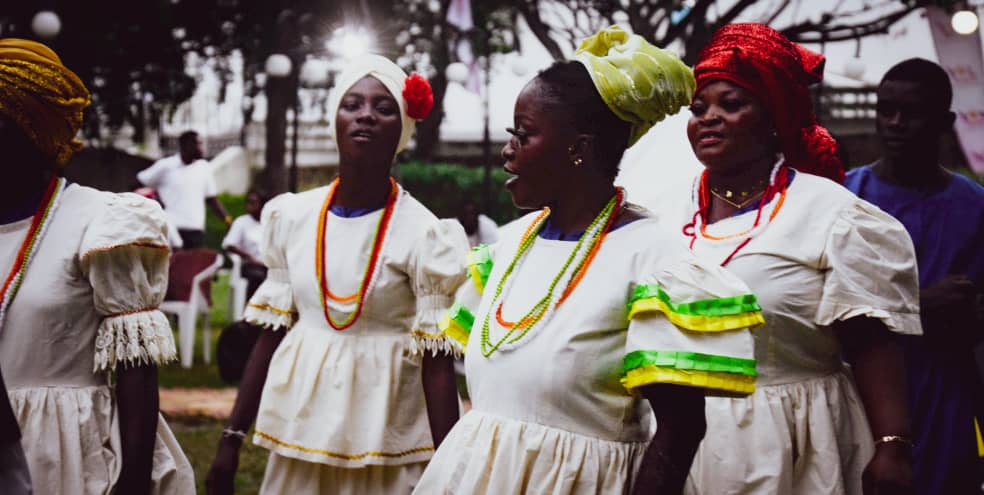
The musical theatre piece called MEMORY MOVEMENT FREEDOM by multiple community-based performance collectives; tells the story of the rebellion of formerly enslaved Afro-Brazilians in 1835 in Salvador, Bahia and their glorious return to present day Accra Ghana, Togo and Nigeria.

The performance groups were the Agbe Dance Troupe; their music and dance depict the movement and rhythms of formerly enslaved Africans who fought their way to freedom from Brazil to present Accra. Kake Dance Troupe, a showcase for indigenous dance styles and folk music. Minshɛɛ Band, Nyuŋmɔ yɛdzen cultural Troupe. A contemporary traditional music ensemble that addresses socio-cultural issues through music and performance. The performance was written by Dr. Fafali with lead performer been Dr. Sogbadzi.
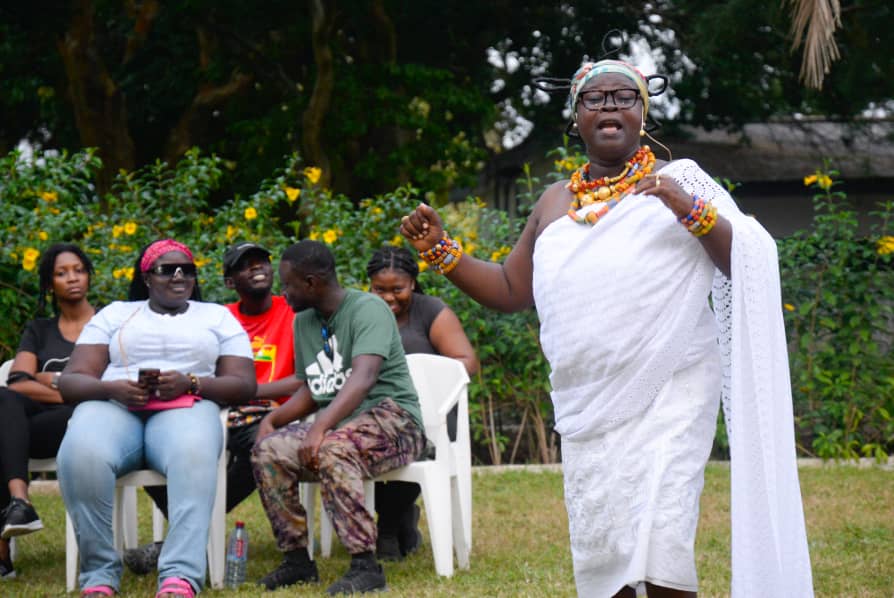
These groups put up a well synchronised and historically meaningful show, much to the admiration of all at the Christiansborg Castle Gardens and the Black Star Square.
The Christiansborg Castle is very pivotal to the story of Afrobrazilians as it was a hub for the transatlantic slave trade. Retelling the story of these former slaves with a triumphant end on the castle grounds added more depth to the performance and also meaning to Africans, especially those in the diaspora.
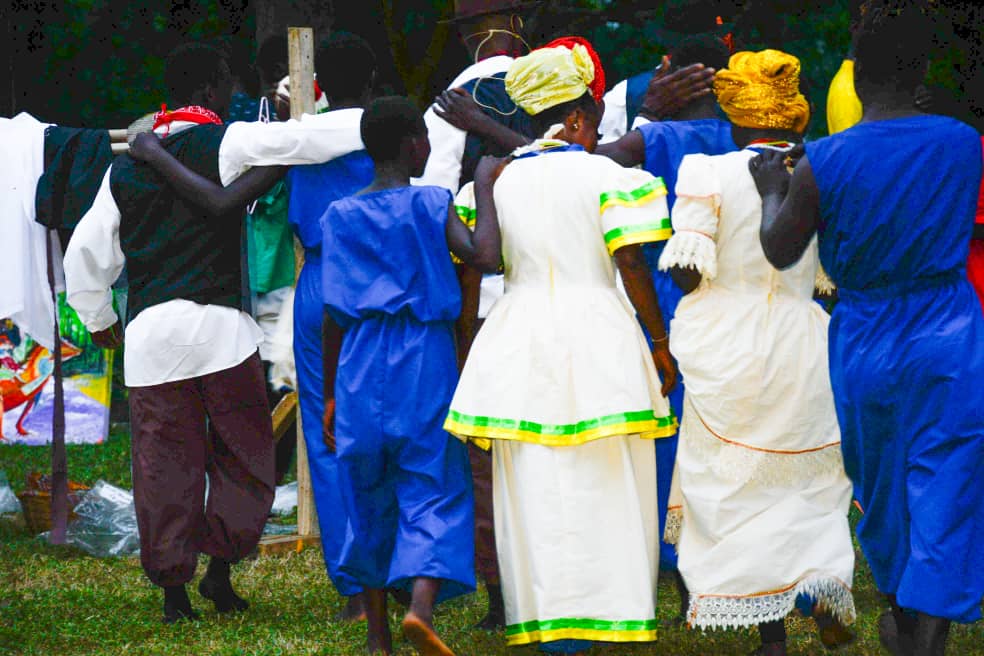
The two day event had audiences humming and singing to folkloric songs like Twa Omanye Aba and Tsia le mu while immersing themselves in the eye-opening historical accounts of these brave Africans. Intermittently, the audience were called from their seats with those body moving drums to dance together with the Troupe in dance forms such as Kpalongo.
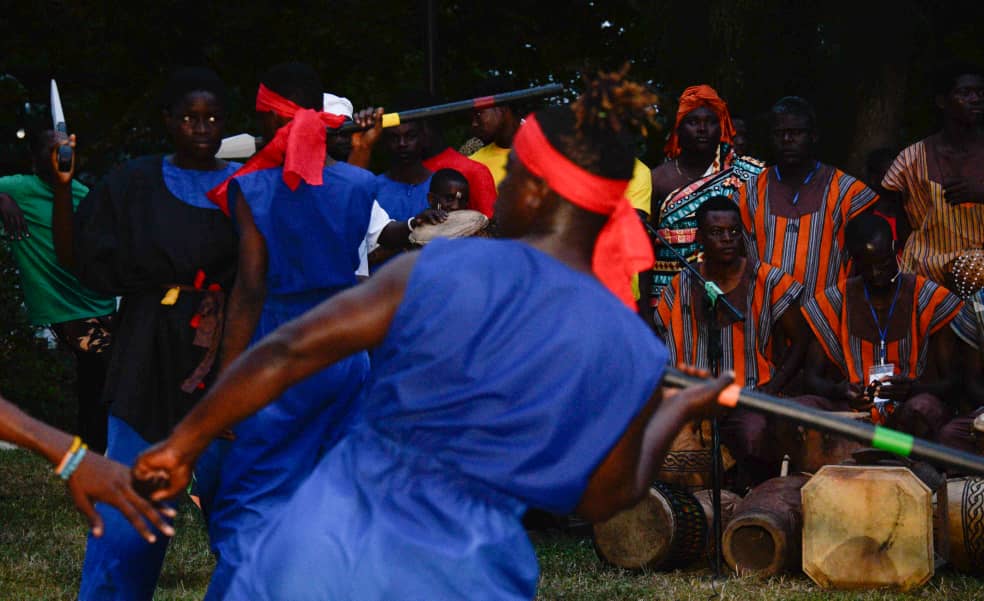
More on the Afro-Brazilians who called Accra Home.
One can see that the between the real stories of united migration of their common ancestry till their present homes, and the true tale of Ghana must go ( With Accra Newtown, a town in Accra Ghana formerly called Lagos Town due to the large population of Yorubas), there has been a one phenomenal period the people around the Coasts of Nigeria, Togo, Benin, and Ghana which is rarely talked about. It is the story of Afro-Brazilians who chose the Coast of the Gulf Guinea as their home upon their return from slavery in the 19th century. In Ghana, they were called the Tabom people.
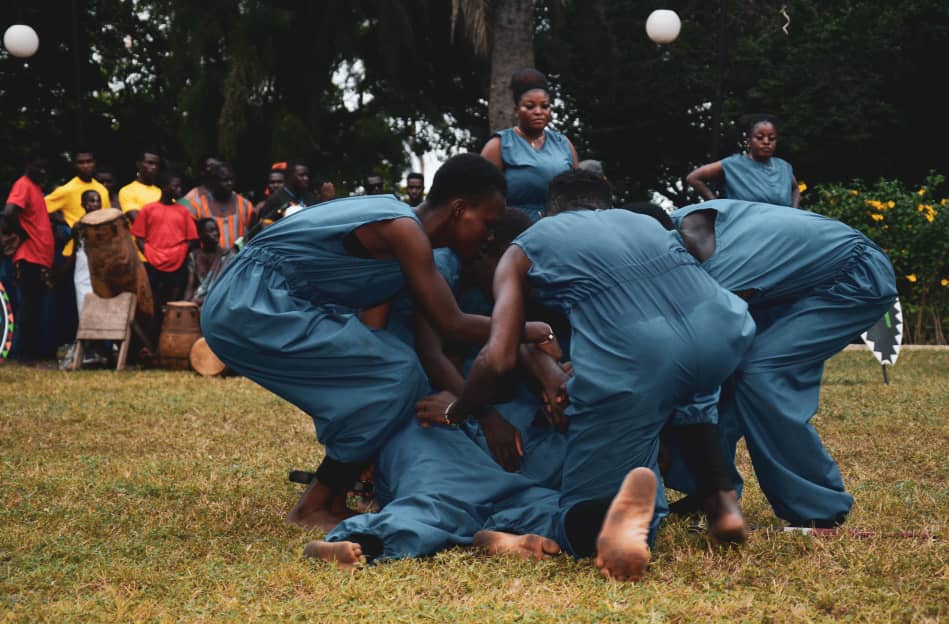
Salvador da Bahia witnessed the Malê revolt in 1835. This was spearheaded by Yoruba Muslims who were a formidable group then. As a result of the revolt, there was fear throughout the Slave ownershop world. (This revolt was a turning point in the history of the greedy trade. This revolt was a major wake-up call and a great factor in the abolishing of Slave trade in later years. )
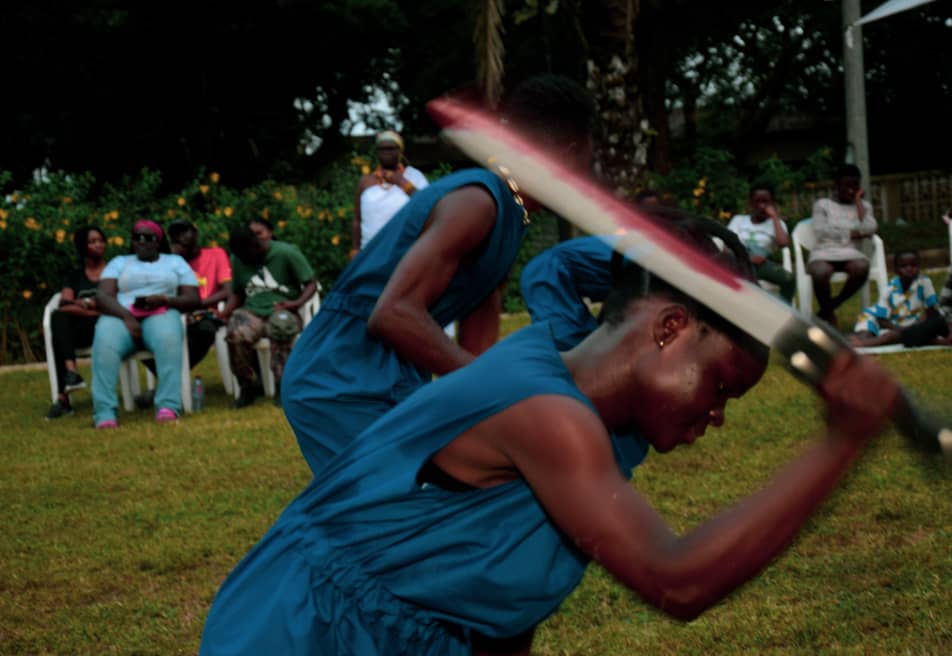
A group of former slaves returned to Africa and settled in Badagry, Benin, Togo, and Ghana.
In Ghana, they first settled in Jamestown Ussher Fort. They were named the Tabom people due to the usual response : T’abom to anything the locals asked them ( In Portuguese, How are you is: Como Esta?, and the response I am fine: Ta Bom” ). In Jamestown, they were well received by the Ga Mantse, Nii Ankrah of Otublohum, and given a home and later lands. The building, Brazil House and road signage Brazil lane, among others, are testaments to their existence.
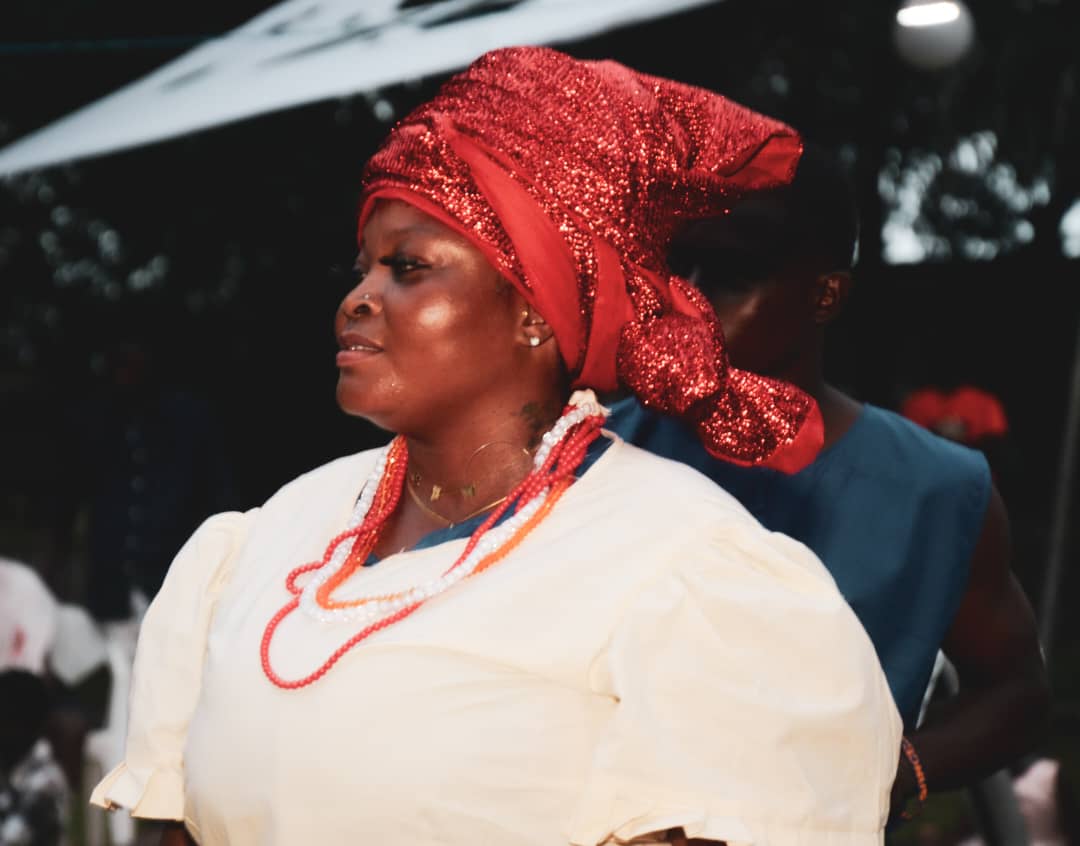
Afrobrazilian surnames like Azumah, Nelson, Da Silva, De Souza, and Olympio are household names in Ghana and West African countries along the Coast.
They have integrated with the indigenes, with many becoming notable people in the Ghanaian Society.
Watch the Kple Traditional Dance
*Production and research credit to Accradotalt