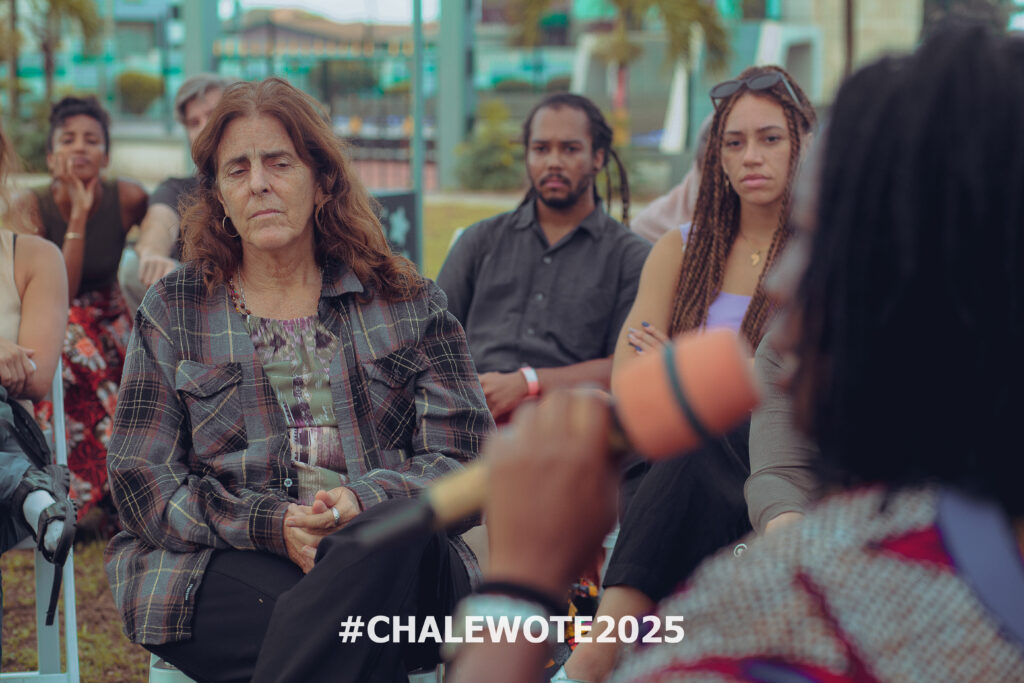
Over the years, Chale Wote has brought together painters, performers, filmmakers, spiritual leaders, musicians, and writers from across the continent and beyond, uniting communities in a shared rehearsal of freedom. This year, Chale Wote unfolds under the theme The Orbs Beneath the Nile Lead to Kongo, a theme that draws on ancestral geographies and spiritual lineages stretching from the Nile to the Kongo.
It invites us to reflect on the hidden forces, or “orbs,” that hold Africa’s wisdom, resilience, and liberatory energies. Within this frame, the second day of the festival was dedicated to exploring Africa’s spiritual and healing foundations.
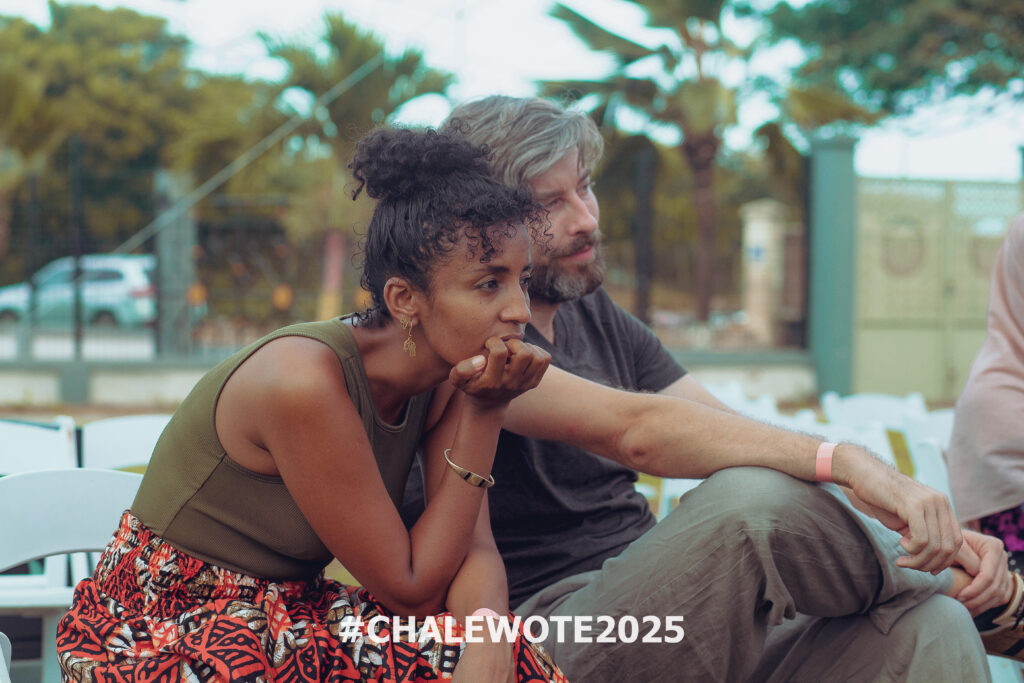
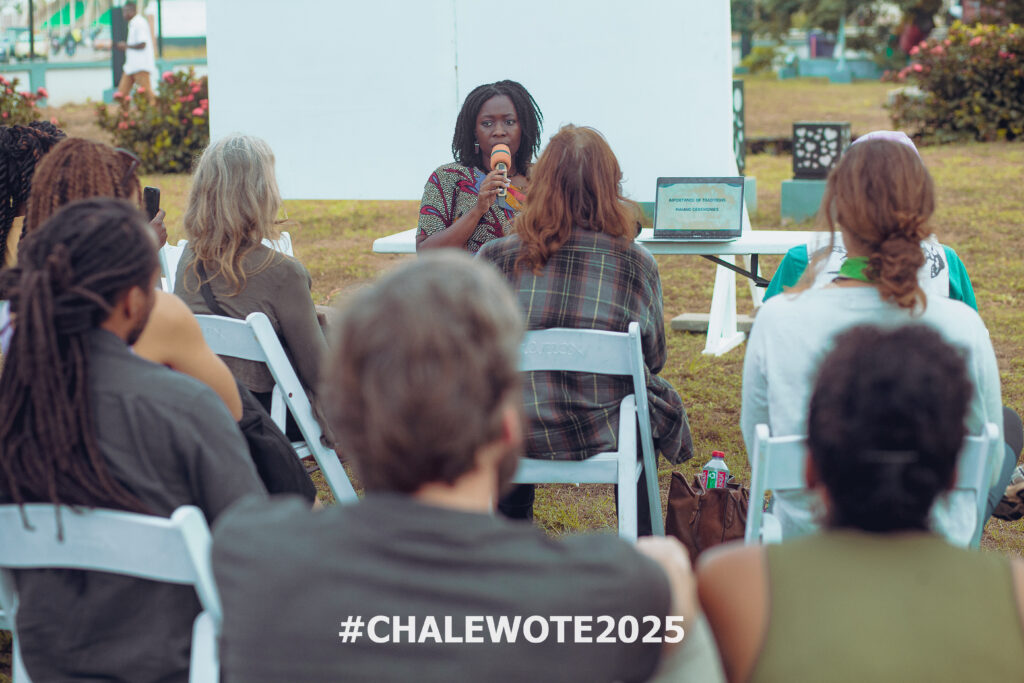
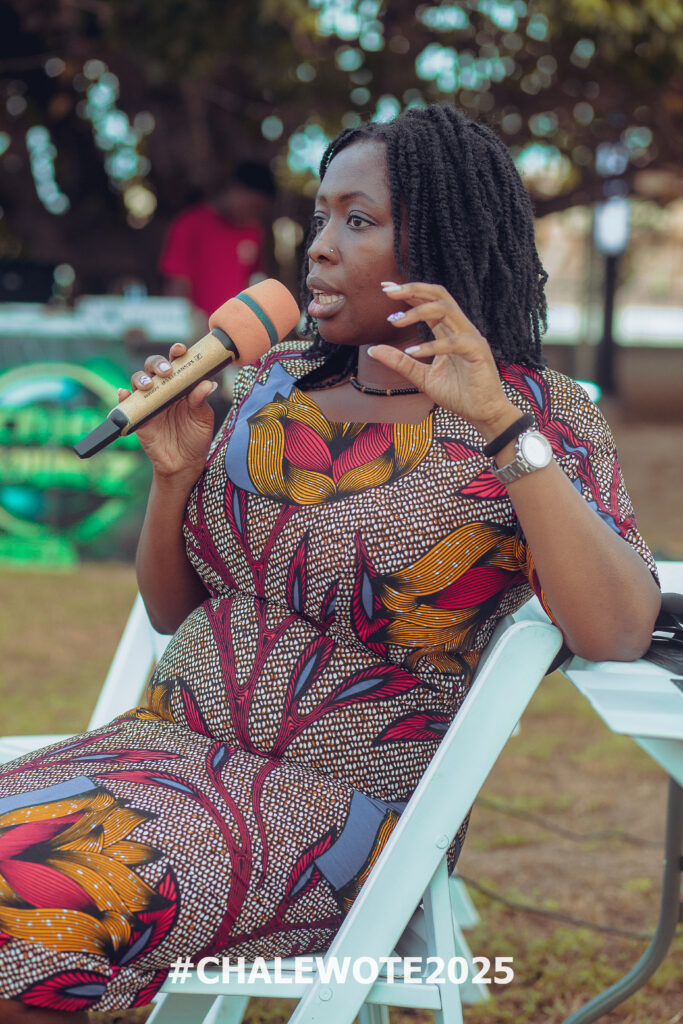
The day began not with the usual bustle of street activity, but with reflection, and intimate teaching sessions. The first lab for the festival was led by Naa Adjeley Tsofanye, a certified Medical Herbalist, and Cultural Researcher. She opened the lab with a profound conversation on the interconnections between African medicine, spirituality, and everyday life.
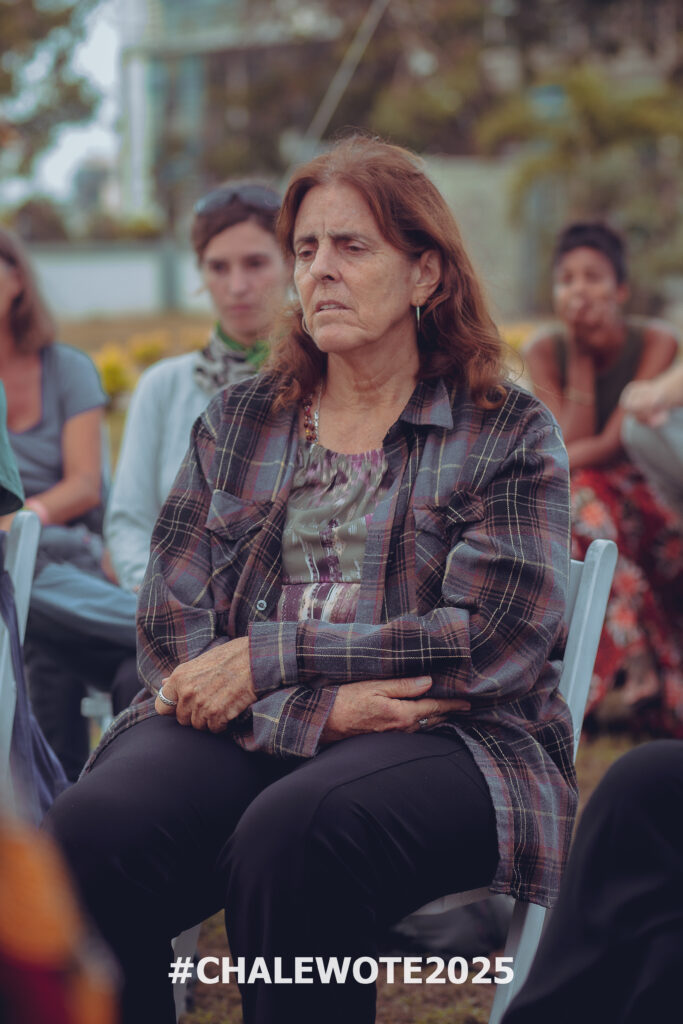
Her teachings reminded festival goers that African medicine existed long before the introduction of European systems. She challenged the misconception that Africans lacked organized medical knowledge, noting historical examples like the establishment of the Ghana Medical School in 1936 and earlier traditional responses to epidemics such as the use of Nyanyara in Tema in 1937 to prevent smallpox.
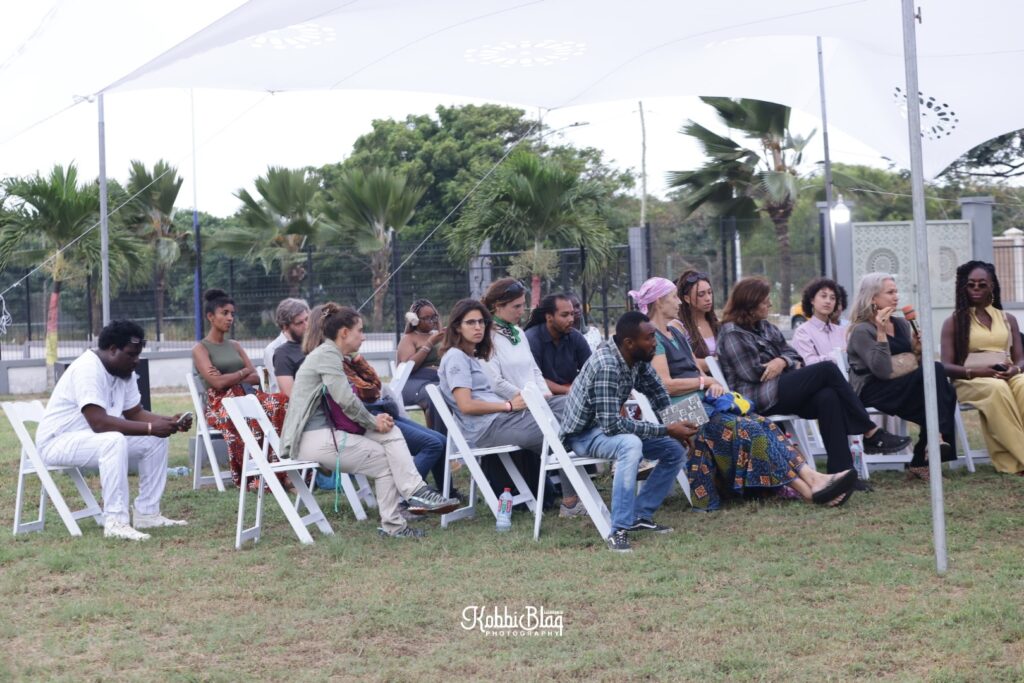
Naa Adjeley Tsofanye highlighted Africa’s longstanding medical sophistication. She referenced accounts of complex procedures such as a Ugandan Caesarean section performed in 1879, where banana based alcohol were used as anesthesia, and patients recovered within days. She also recalled traditional surgical practices, like using calabash to help repair an injured farmer’s intestines blending practicality with spiritual symbolism.
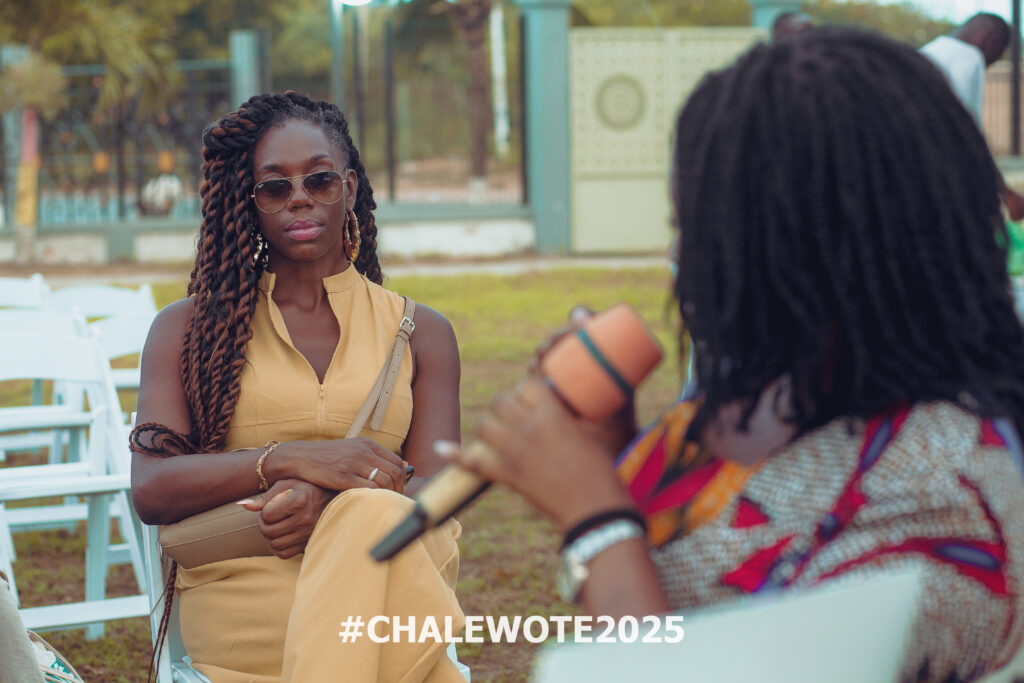
In her session, Tsofanye emphasized how African medicine was central to childbirth and naming ceremonies. She described how birth attendants practiced hygiene through hand-washing with alcohol, and how newborns were placed naked on the ground to connect with the earth. This ritual was both spiritual and scientific fostering immunity through early exposure to microbes from the family house while also affirming the child’s relationship with the earth. Naming ceremonies, breastfeeding, and other traditional practices were explained as integral systems of health, spirituality, and community belonging.
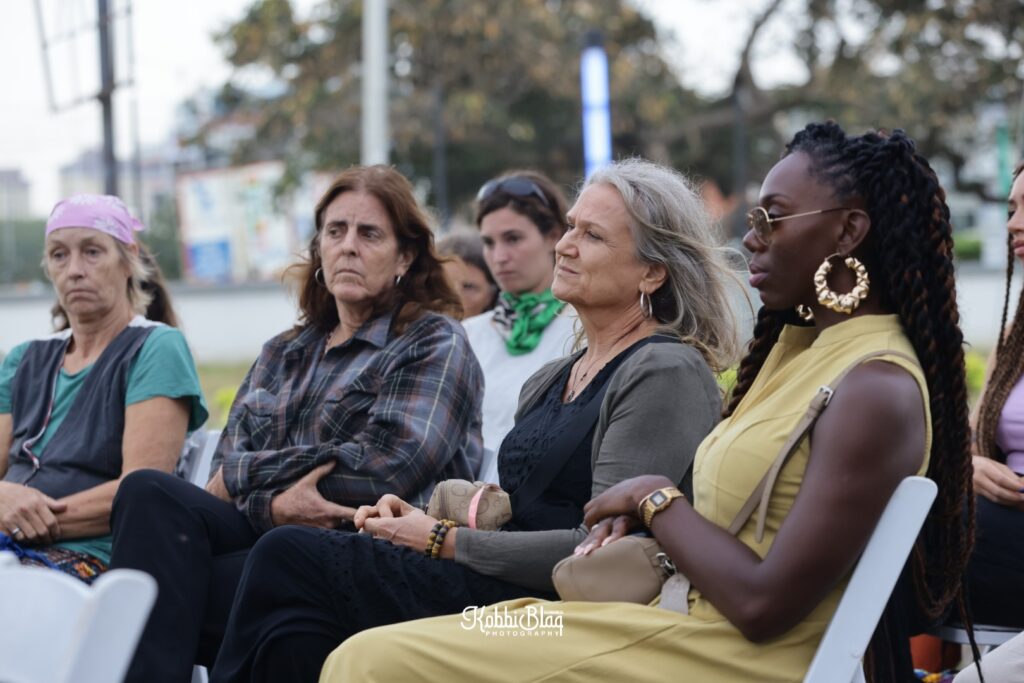
Tsofanye explained that plants and herbs are not just medicinal but spiritual tools that can help individuals balance these elements, supporting wellbeing and harmony in life. Day 2 of the festival offered more than information it offered an reorientation. Through the teachings of Naa Adjeley Tsofanye, the audiences encountered a living archive of African knowledge. This was a day of remembering the past and of reclaiming ancestral wisdom as essential for Africa’s future health and wellbeing.
As Chale Wote 2025 continues under the guiding theme of The Orbs Beneath the Nile Lead to Kongo, Day 2 stands as a reminder that liberation is rooted not only in politics or art, but also in the healing wisdom of Africa’s own spiritual and medical traditions.