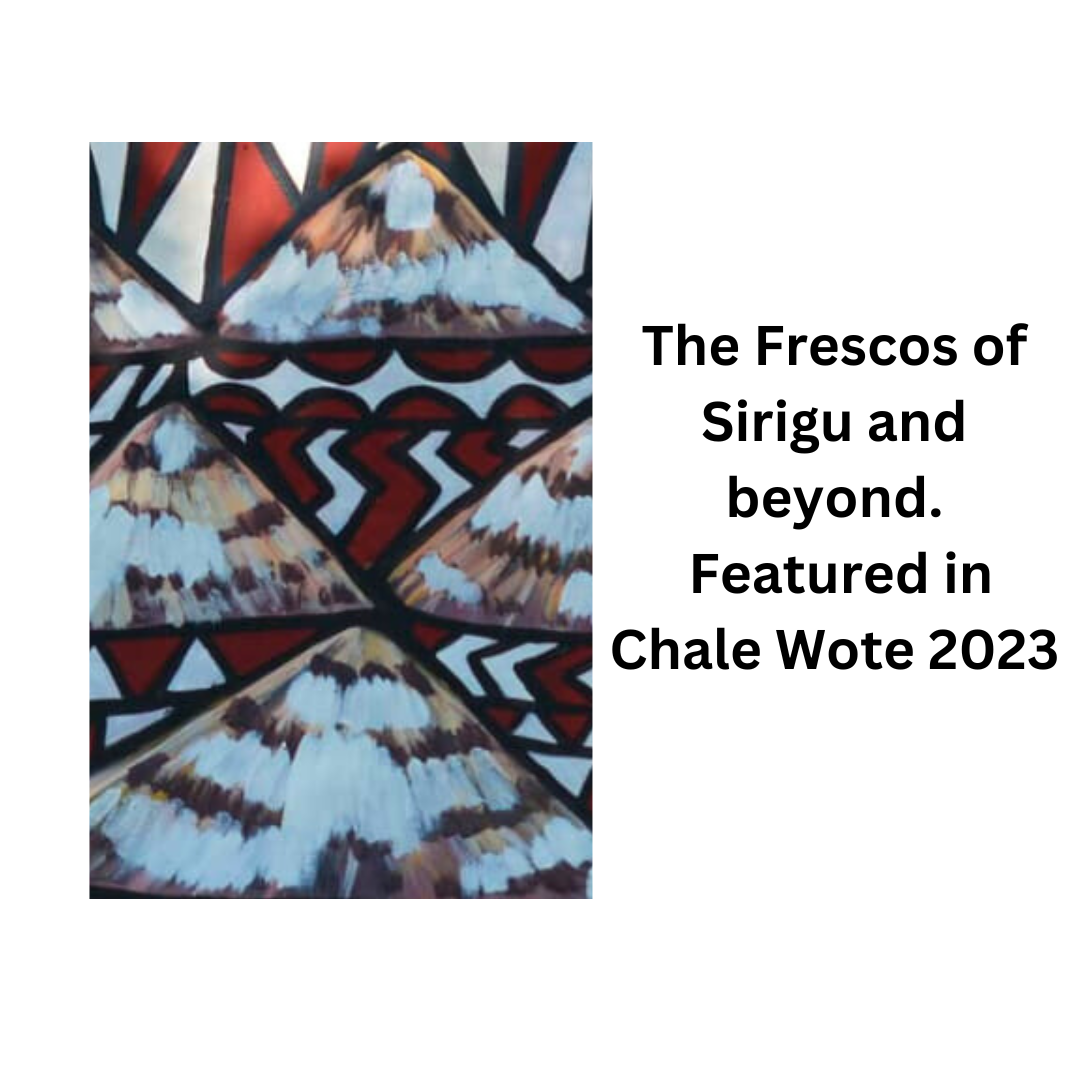
These Fresco paintings are known as Bɔsebɔrɛ ŋmɛ’a in Gurune language and Bomborisi in Nankani. They consist of gemotric shapes and elements from our ecosystem like animals and plants which have adorned the walls of many Kassena Nankani indigenes in Ghana and Burkina Faso since the 15th century. In Burkina Faso, it is dominant in Tiebele south of the country and in Ghana, north of the country , Upper East Region, to be precise.
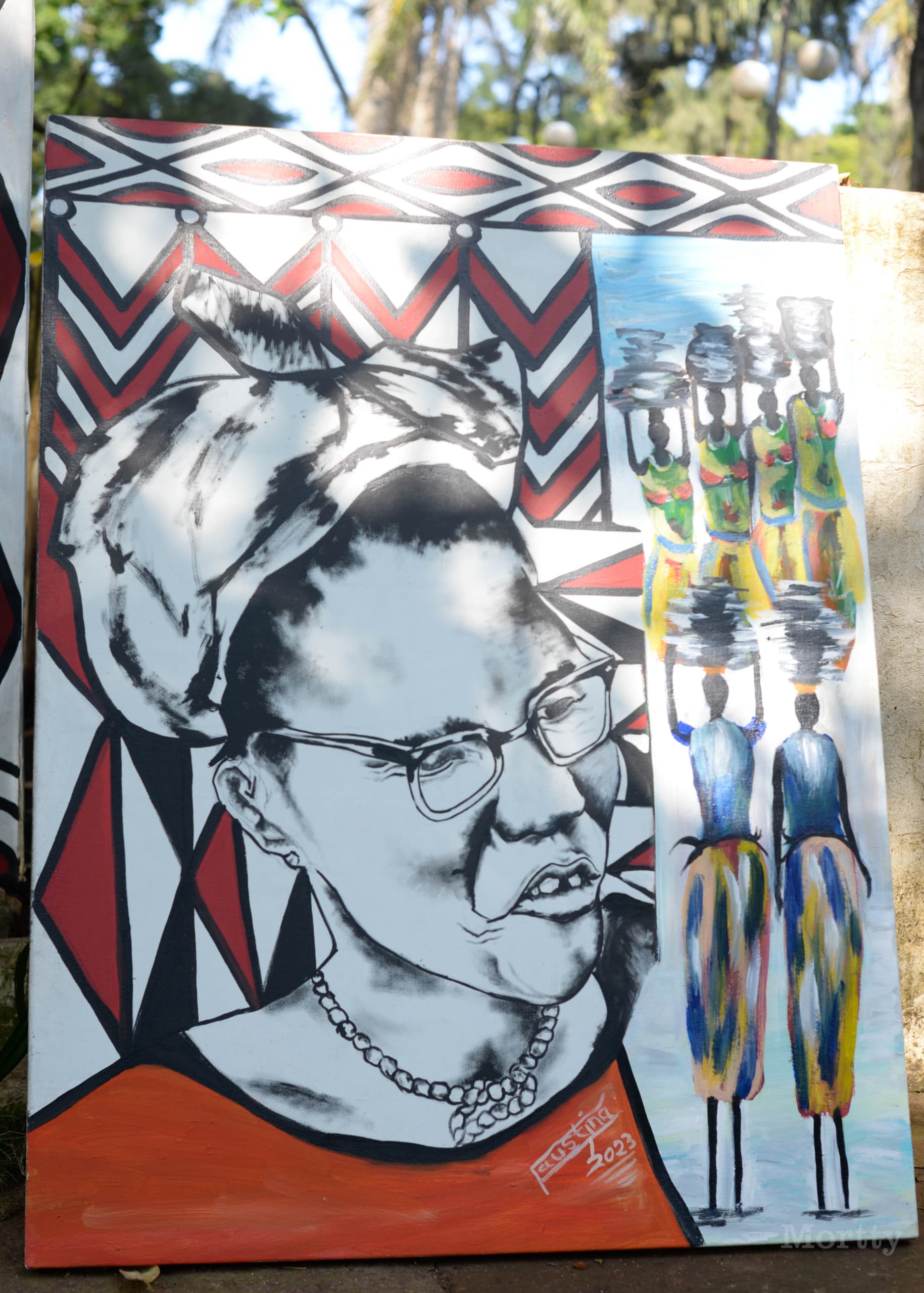
Similar murals called the Ndebele Wall paintings are significant art expressions among Southern Ndebele women of South Africa and Northern Ndebele women of Matobo, Zimbabwe.
Ancient rock paintings known as Bammi and Tonu among the Dogon people of Mali expressed their faith in the cosmology and visualised their mythologies. Mwela Rock Site in Zambia boasts of rich pre-historic cave paintings. There are similar sites in Malawi and Tanzania..
In West Africa, usually after the rainy seasons, the mud walls are repaired by men, and the women repair the paintings or make fresh ones using natural pigments and dyes from plants. They also use Cow dung , Kerosene, shea butter residue, Red clay ( Zingag3 Mclika), White clay ( kugbela) these materials give the usually tri coloured visual expressions on the wall; Red, white and black.
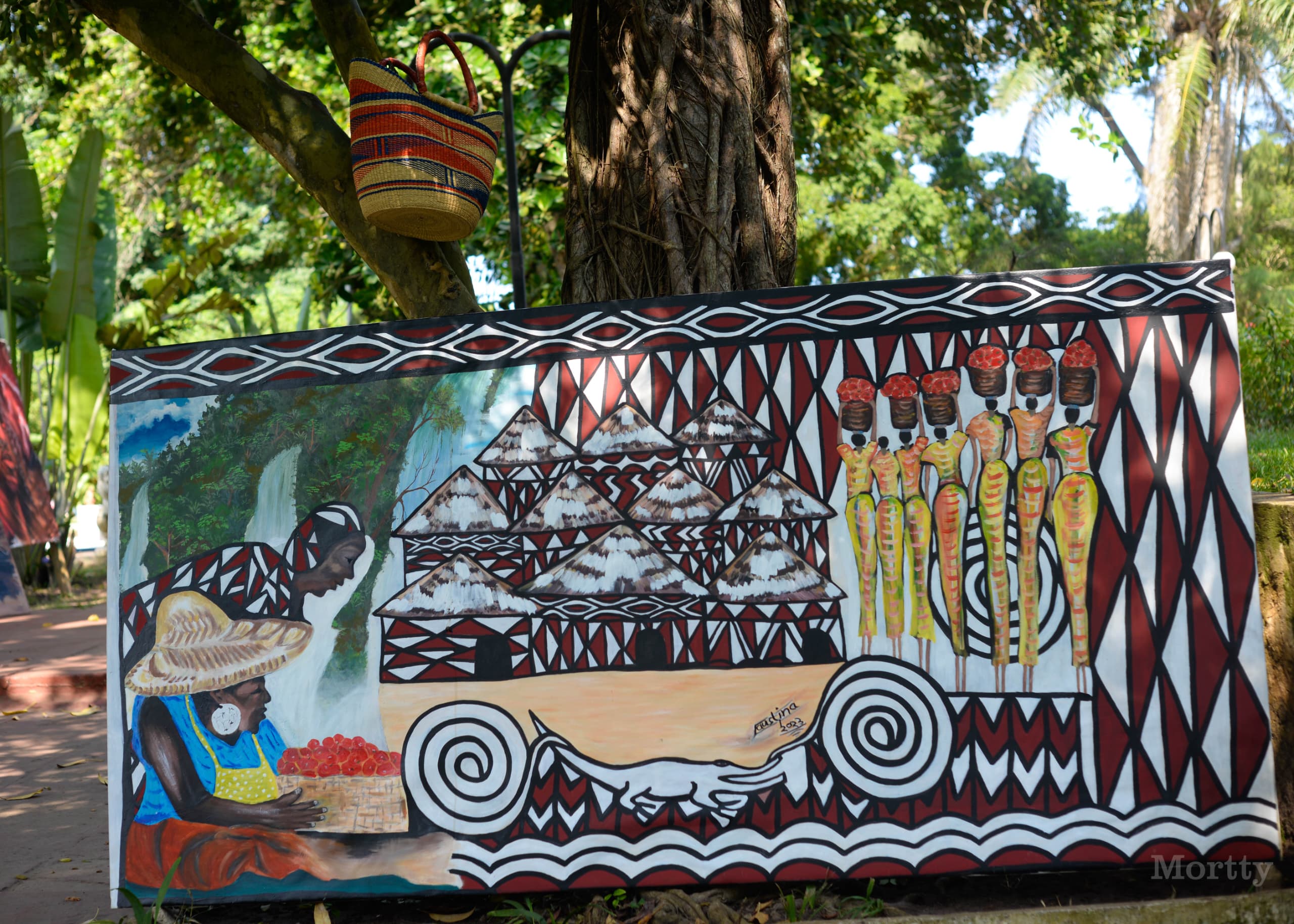
White symbolises among other things, purity and sanctity while red symbolises danger.
Materials like Guinea fowl feathers serve as brush for these highly stylized designs.
These paintings initially had deeply spiritual connotations as the symbols are used to communicate with the gods for child birth, snakes, lizards for friendship, etc.
The triangle designs on the walls, for example, are symbolic of stacks of calabash ( arranged according to sizes forming triangular shape in the end) , called Zaalenga found in the kitchen of their women.
The smallest calabash in the stack is believed to hold the spirit of the woman who owned the kitchen; therefore, upon her death, the calabash is smashed.
Cows are symbolic of wealth while the coiled serpent designs are symbolic of eternity and good health and protection.
Rooms for special rites in the family are painted with special designs to communicate the importance of those rooms.
Also, if a prominent elder in the family passes on. A symbol is inscribed on the walls.
Now, it is done in the houses of Chiefs and a few people due to westernization, which is negatively affecting African expression through arts.
These paintings are not only valued for their spiritual meanings but for their aesthetic qualities.
The women of SWOPA ( SIRIGU WOMEN’S Organization for Pottery and Art) led by Madame Melanie Kasise have been phenomenal in preserving these sacred traditions, giving their talents of these arts to society and having economic benefits.
The communal spirit of Africa is exhibited in this group as they work together from the planning stage to the execution stage.
These paintings have been transported to different mediums such as canvas for people who cannot travel to sirigu to have a feel of these designs or to take sirigu with them.
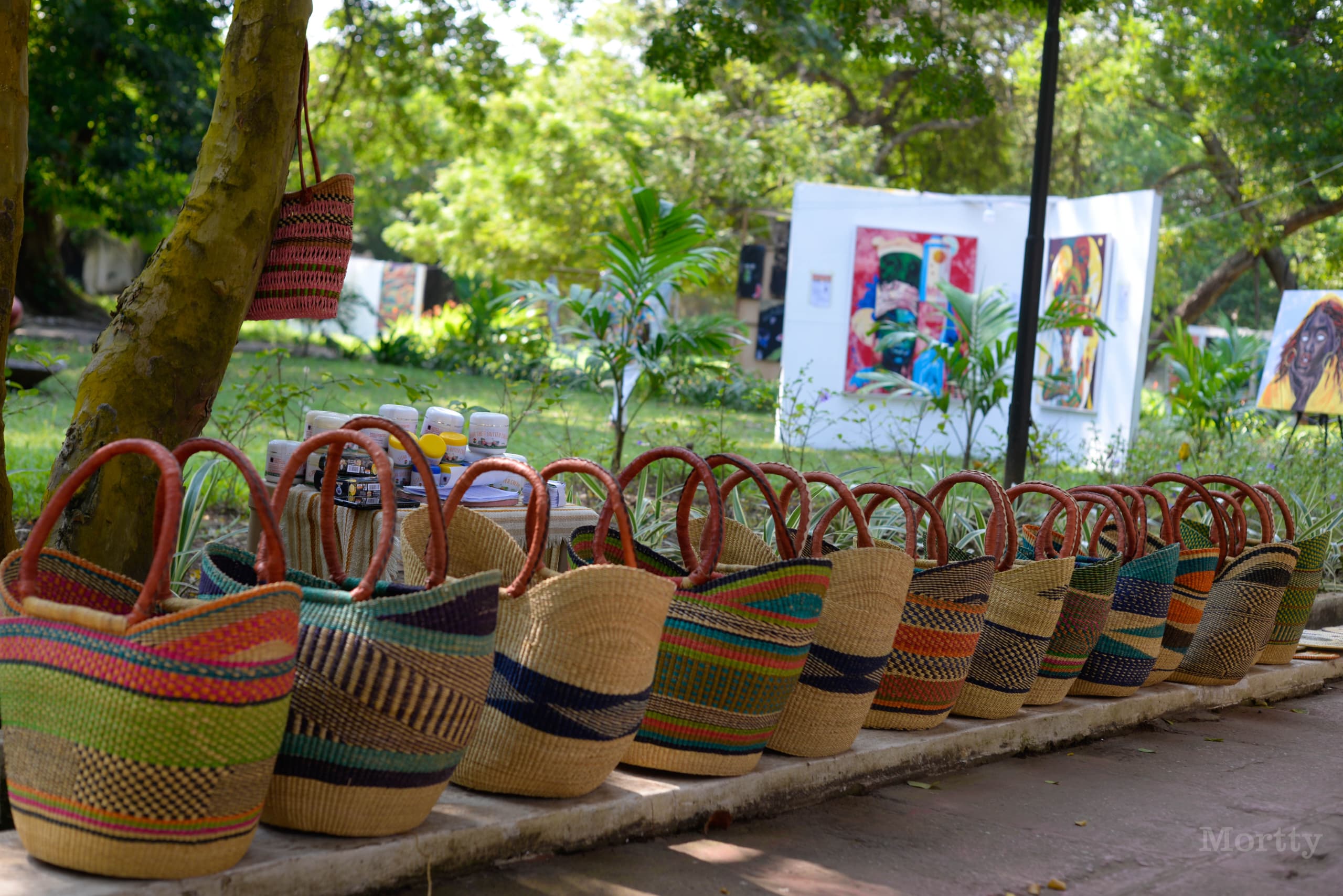
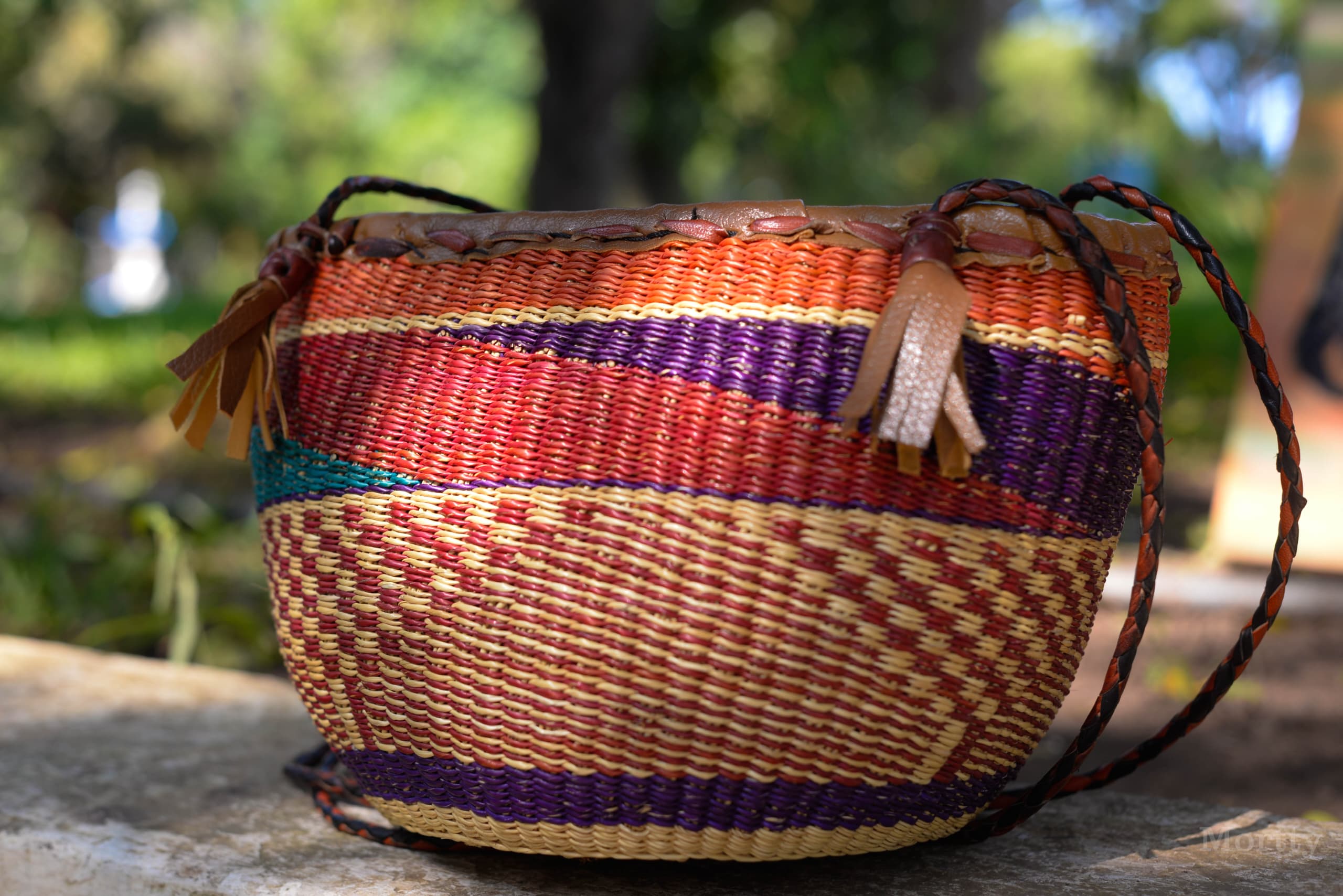
Apart from the wall paintings and diversifying into canvas paintings, women are also engaged in colourful raffia hats, fans, cosmetics, among others.