This exhibition at #ChaleWote2023 probed the history of resistance of Africans in the Gulf of Guinea and Salvador Bahia during the 17th and 20th centuries. 43 Ghanaian and international visual artists unveil the mysteries of the abolitionists, their ideological persuasions, and methods of dislodging settler colonial occupation.
Touching on the theme of resistance and freedom along the Gulf of Guinea, work such as Mr Okaikoi is a depiction. It is a transmutation of Nii Okaikoi, a great King who was also a legendary warrior who formed the Akwashong, the supreme military command which provided the foundation of the renewal of Ga-Adangbe military in the 1600.
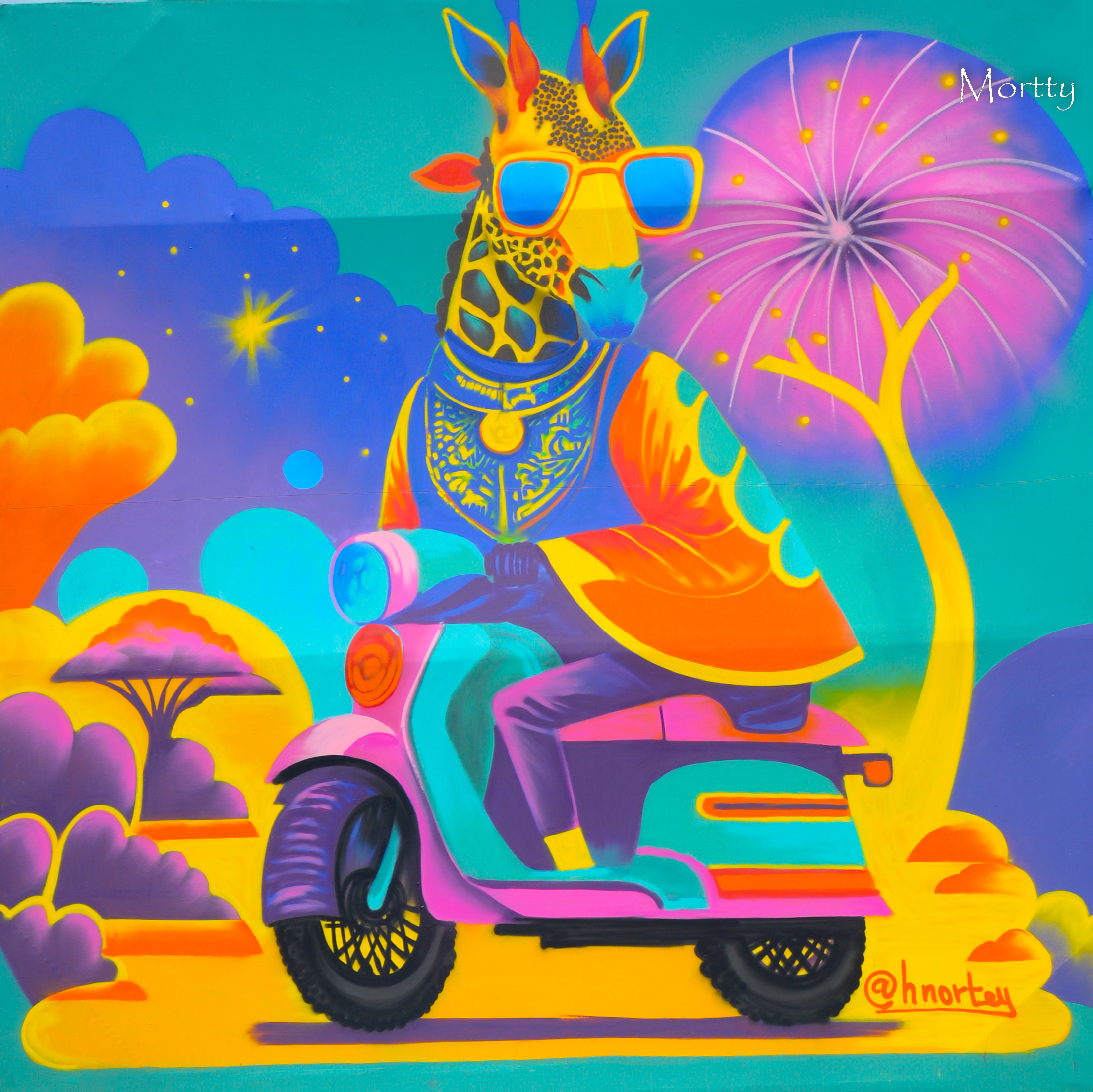
As a commander of his army, he led his people in the first Akwamu war. This war was caused by the insistance of Nii Okaikoi to prevent those in the forest zones access to the coastlines and sanctioned the building of the James Fort between 1672-1673 and allowing the British to use it as a fortified fort. Some of his subjects turned traitors connived with the Akwamus and left him on the battle field. Left with a few loyalists, he waded off his foes. However, ravaged by the betrayal of his own people, he returned to his Palace in Ayawaso. He blessed his loyalists and cursed his subjects who abandoned and betrayed him to never in their endeavours. He proceeded to committed suicide.
The visual works also explore the identities of the enslavers and enslaved.
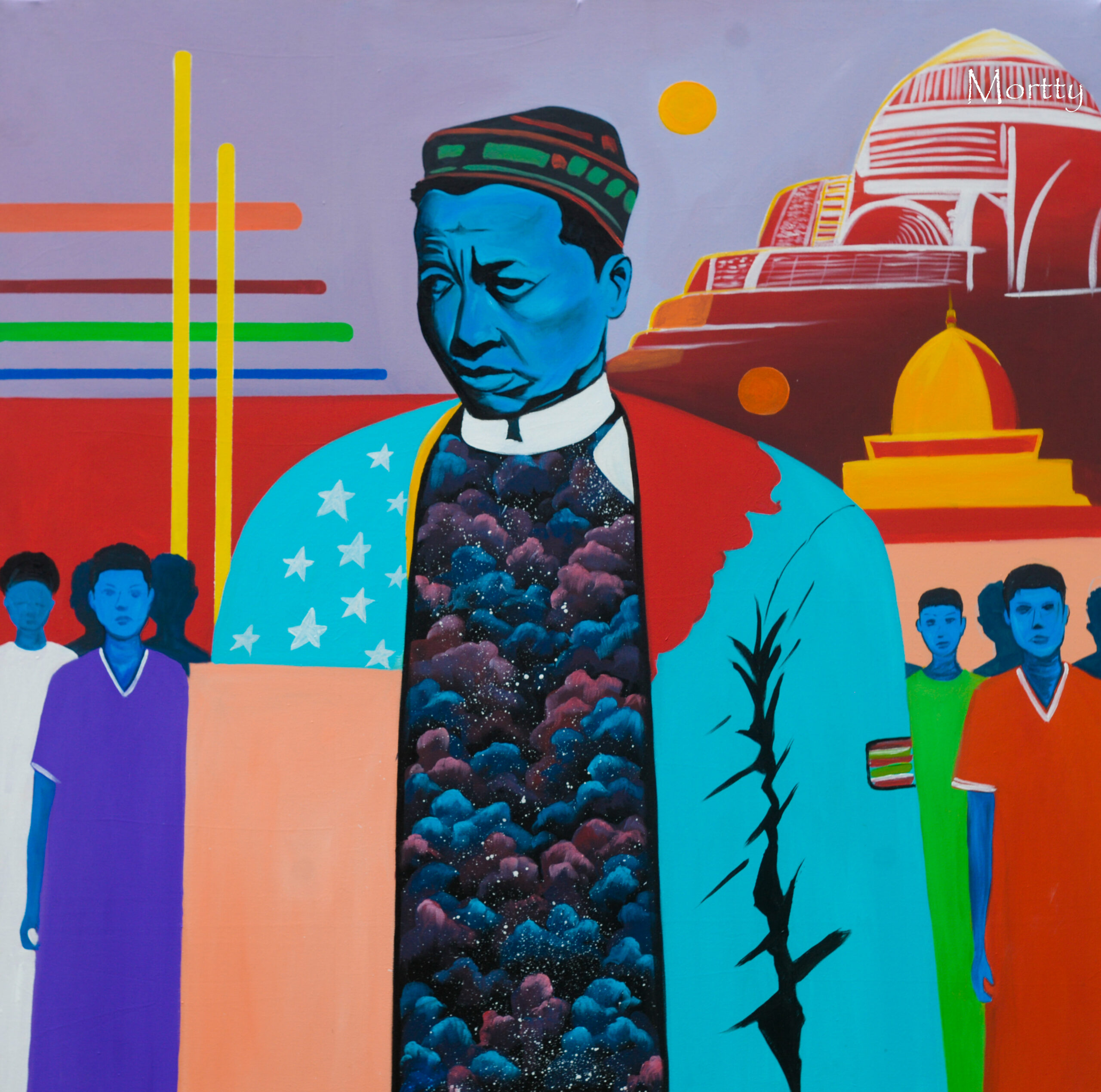
The state of mind of the enslaver; their day-to-day activities as enslavers, their posture, their clothes, colours, and their significance, their weapons.
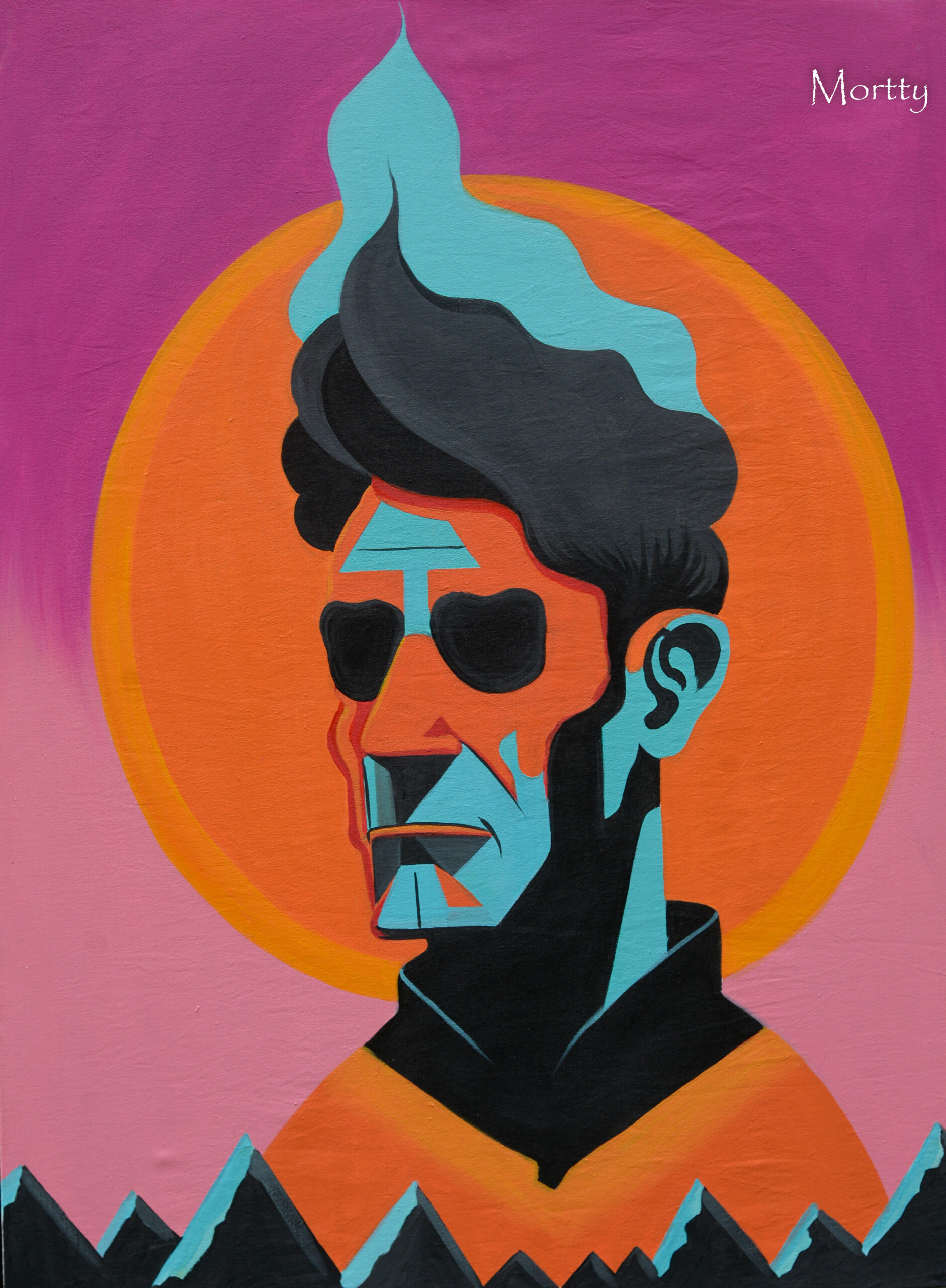
On the other hand, it sort to examine the state of mind of the enslaved. Their physical forms, family lives, philosophies, and the energies they drew upon to revolt against their enslavers.
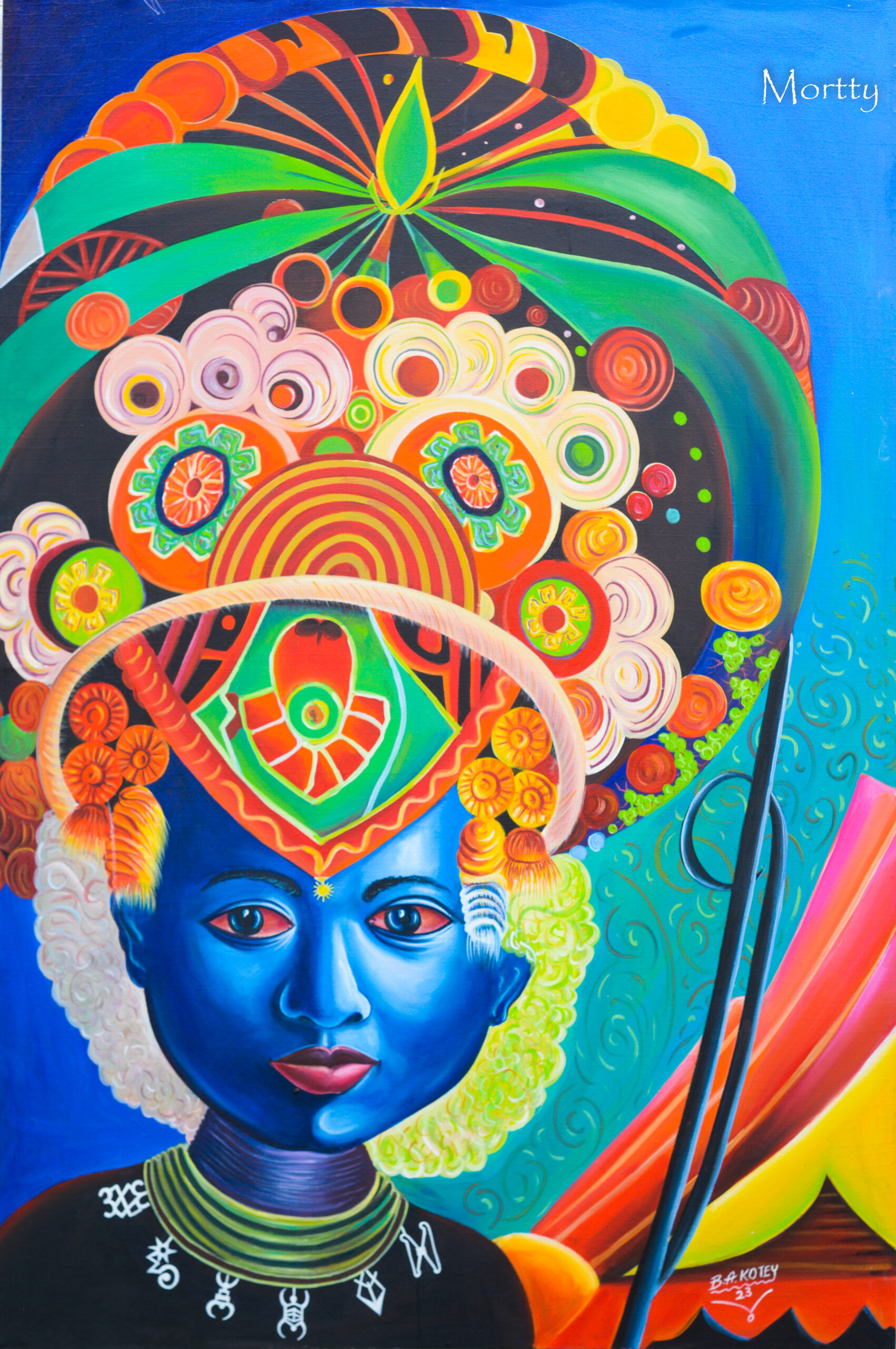
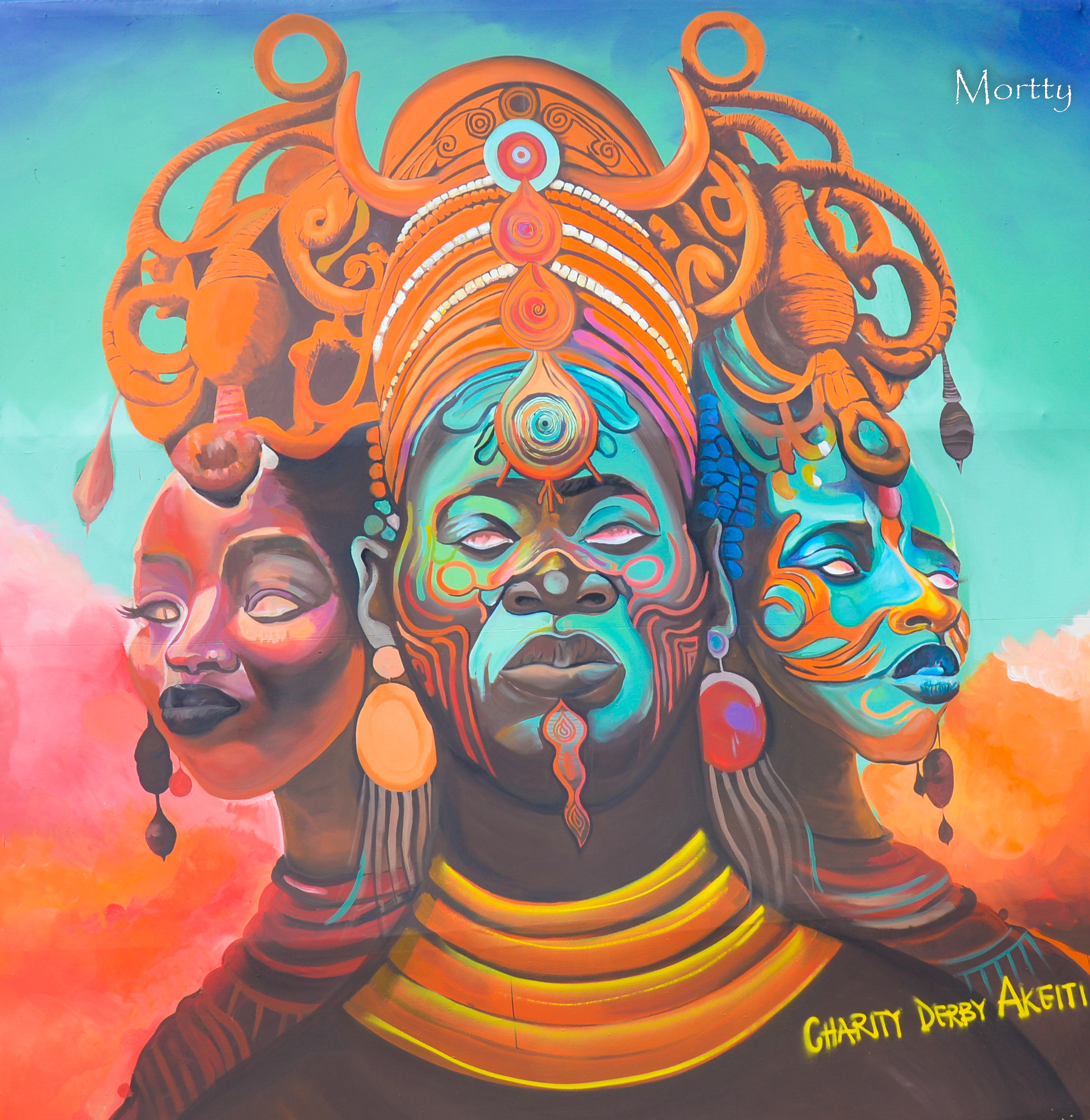
Therefore, the exhibition also explores their spirituality, for example, the dieties they might have consulted during times of rebellion and in their quest for freedom. Charity’s work is a representation of the Sabali Diety (The three- headed female diety).
Dominant in the exhibition is the story of Afro-Brazilian abolitionists who fought for their freedom during what became known as the Malê rebellion in Bahia, Salvador in Brazil. Similar to Nii Okaikoi fate, the Afrobrazilian abolitionists suffered a betrayal when one of the wives of the slaves snitched on them to the enslavers.
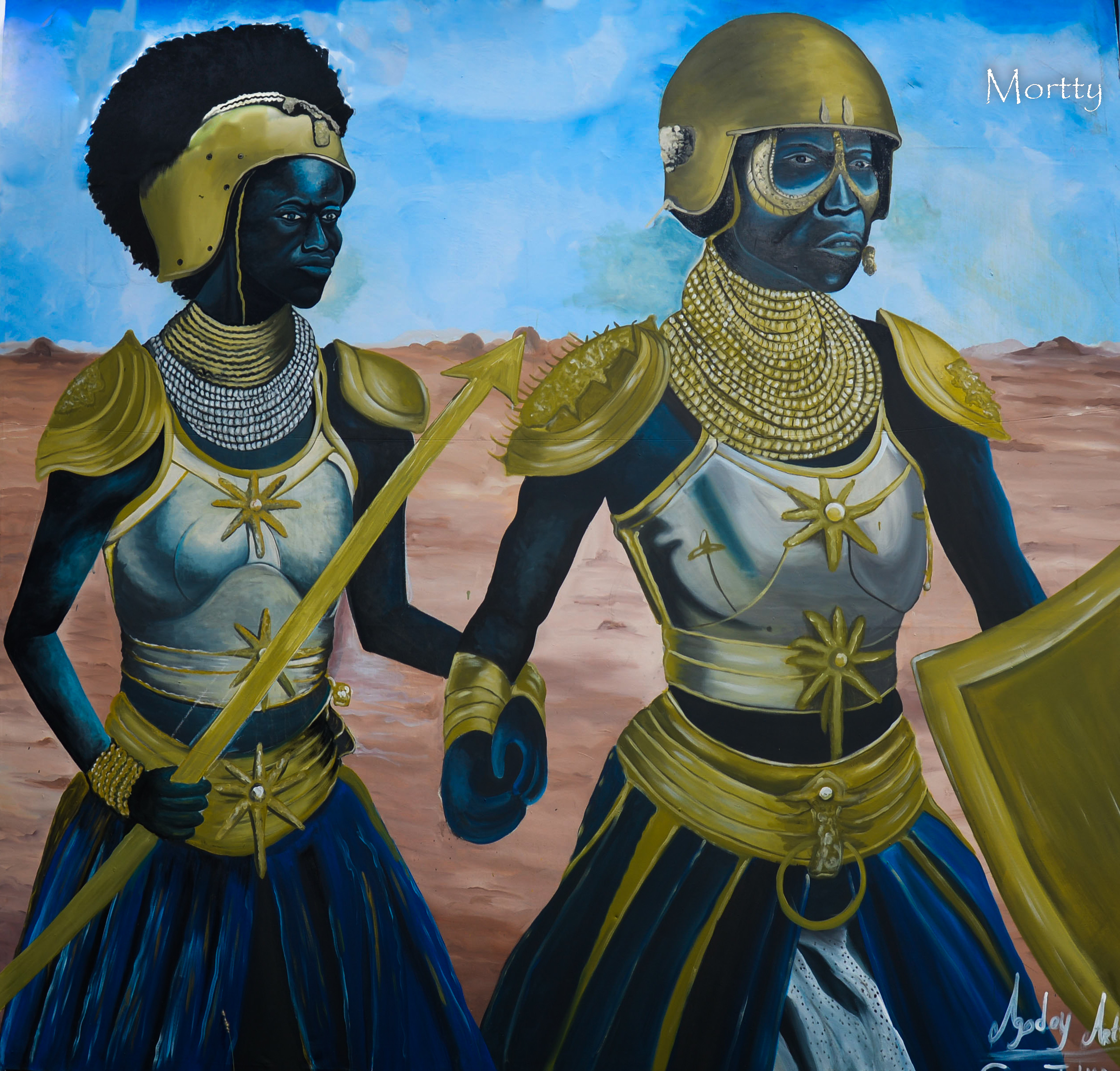
They had to counter attack the enslavers who attacked them before the due date planned by the Abolitionists. In spite of the betrayal, they bravely fought calling upon the spiritual powers they came to the Americas with and their physical strength coupled with hand-made weapons.
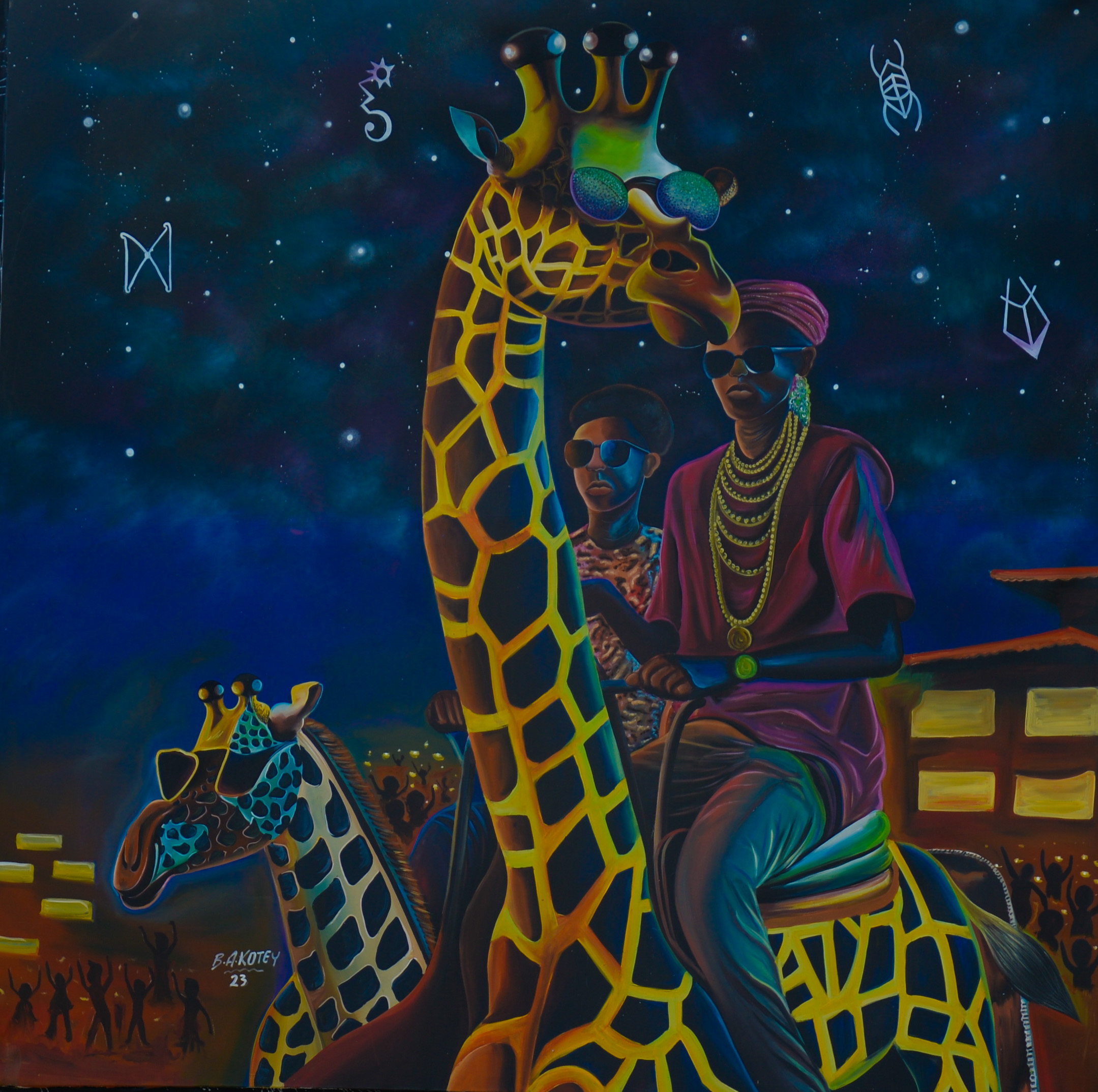
Many of these Afrobrazilian abolitionists returned to present day Ghana, Togo, Benin, and Nigeria.
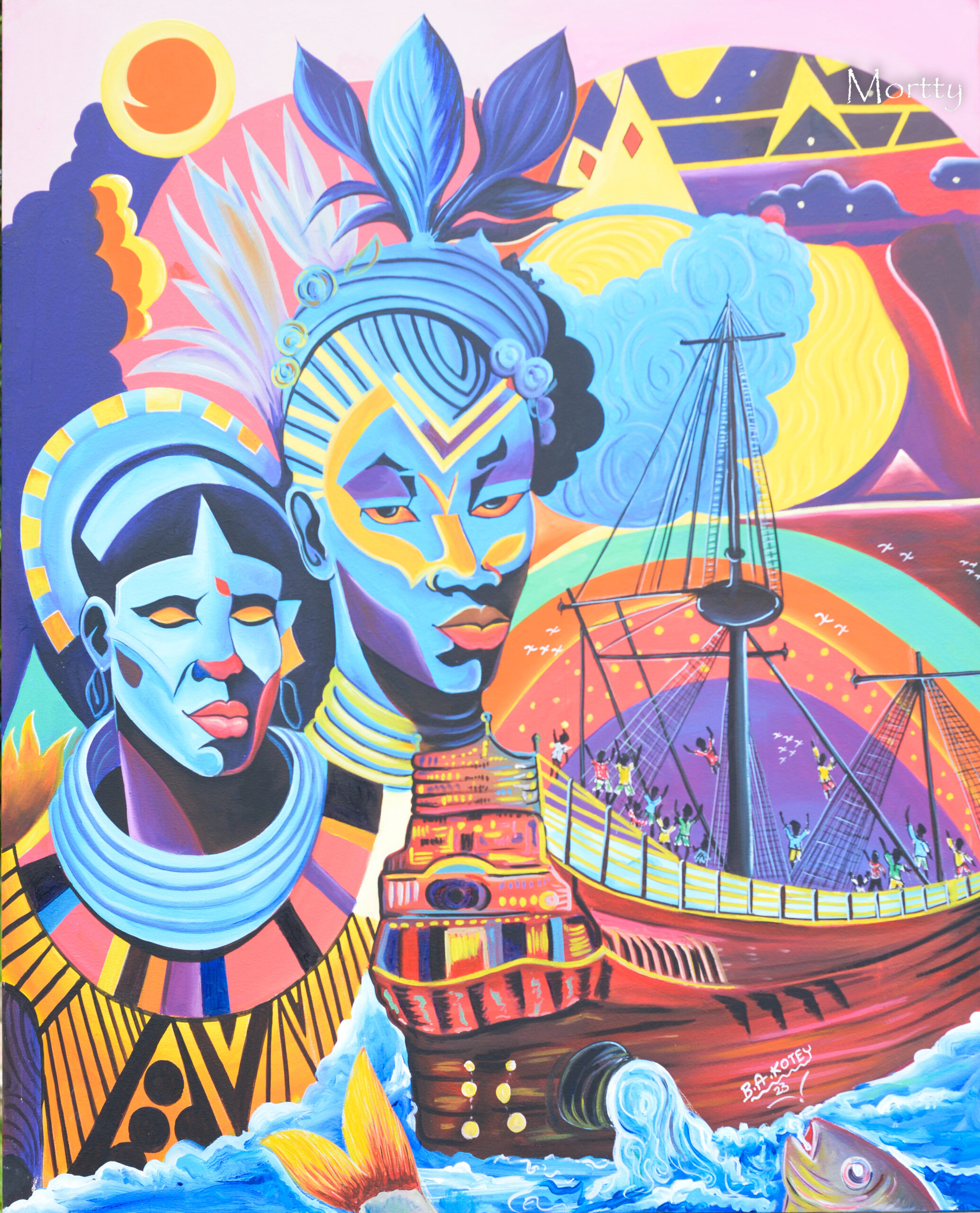
In Ghana, they were known as the Tabom people especially in the Ga-Adangbe lands. Names like Nelson, Peregrino, De Souza are all progenitors of the Tabom people.
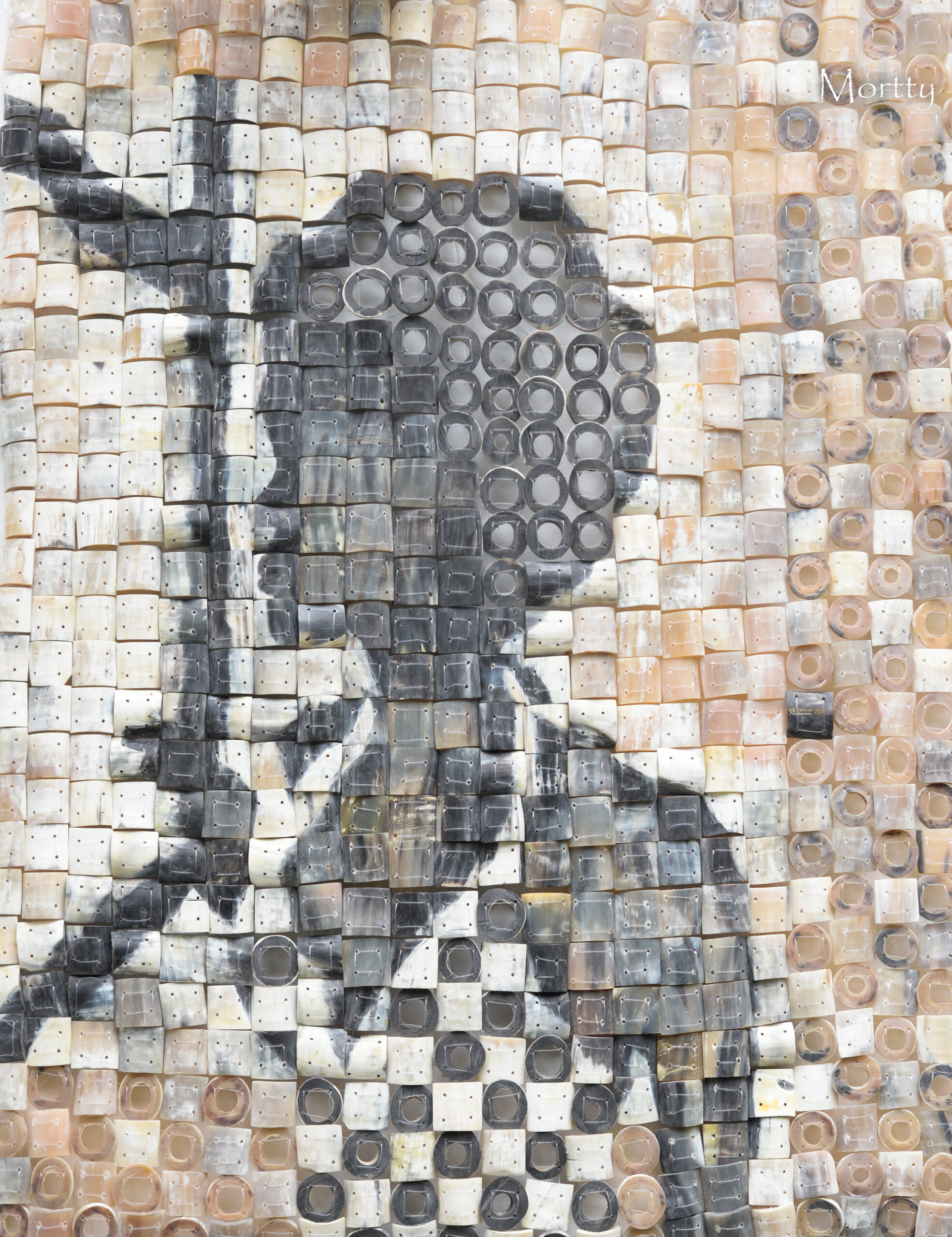
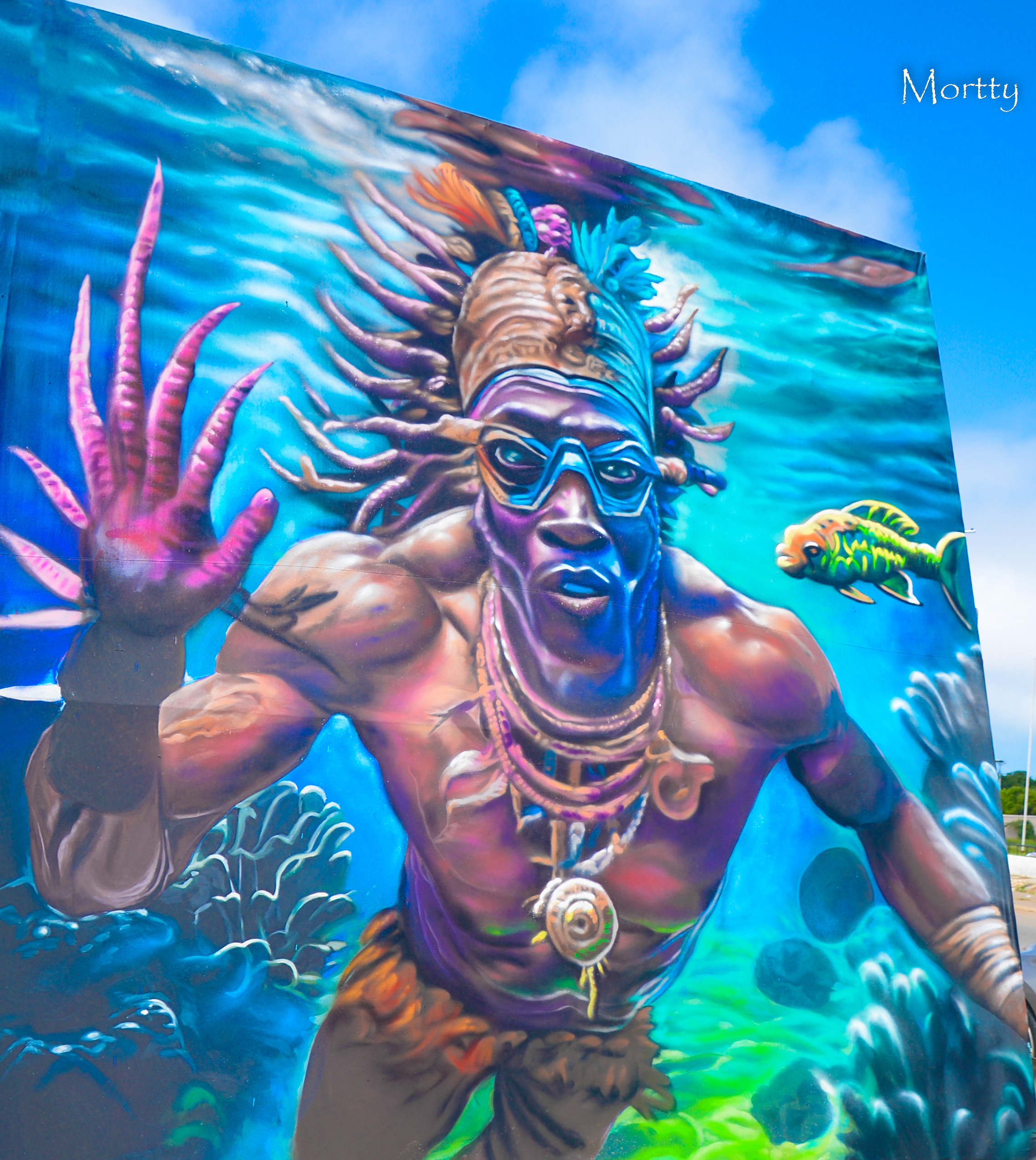
The work also delves into the mythology of our people in those times, such as the Afrobrazilian captives and other African captives who on their way to other parts of South and central America were recieved into the bosom of the sea, willingly or forcibly -becoming spirits of the sea and controlling the waves at their command.
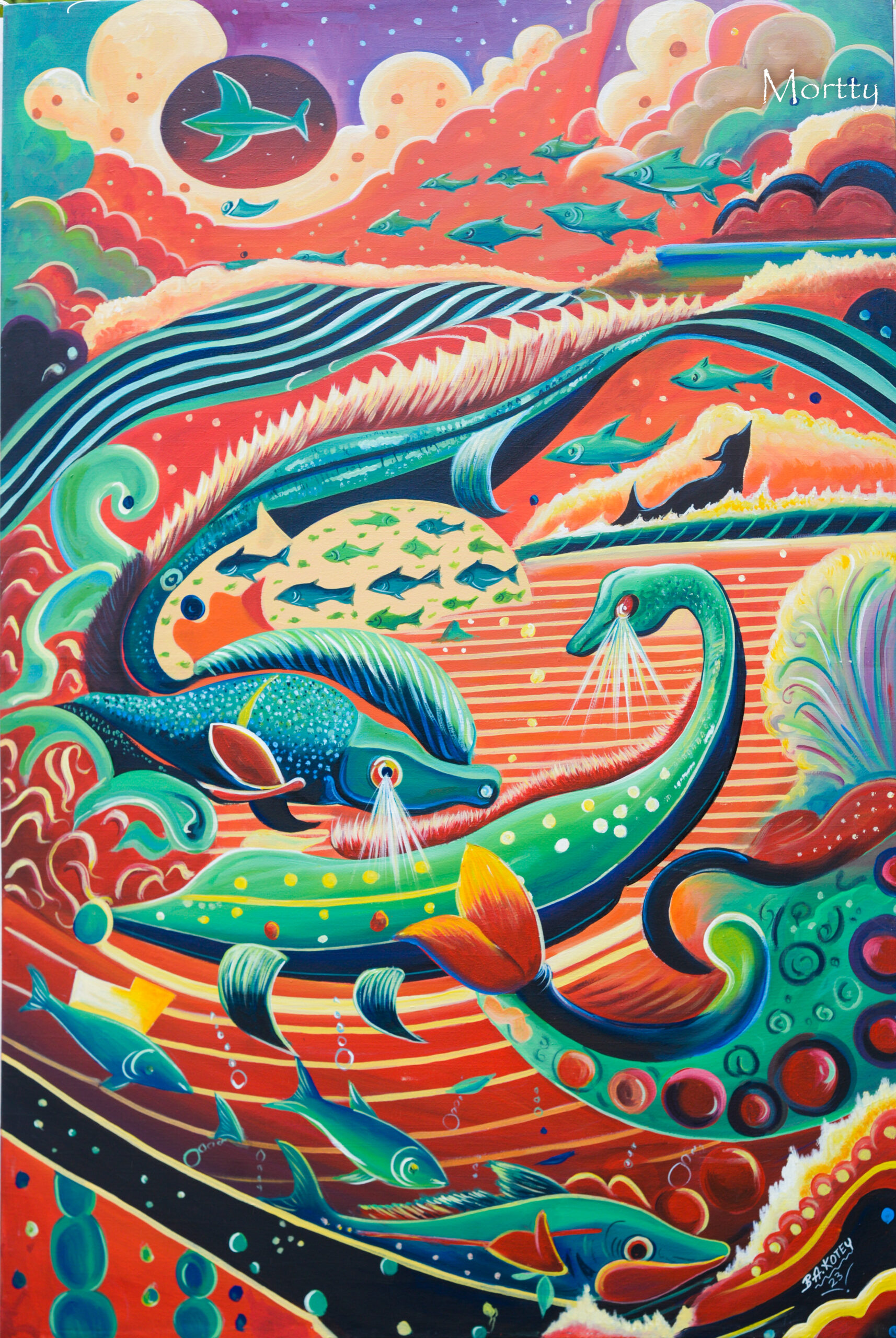
These stories and mythologies from cuba, Columbia, Guatemala, mexico of enslaved Africans are still alive.
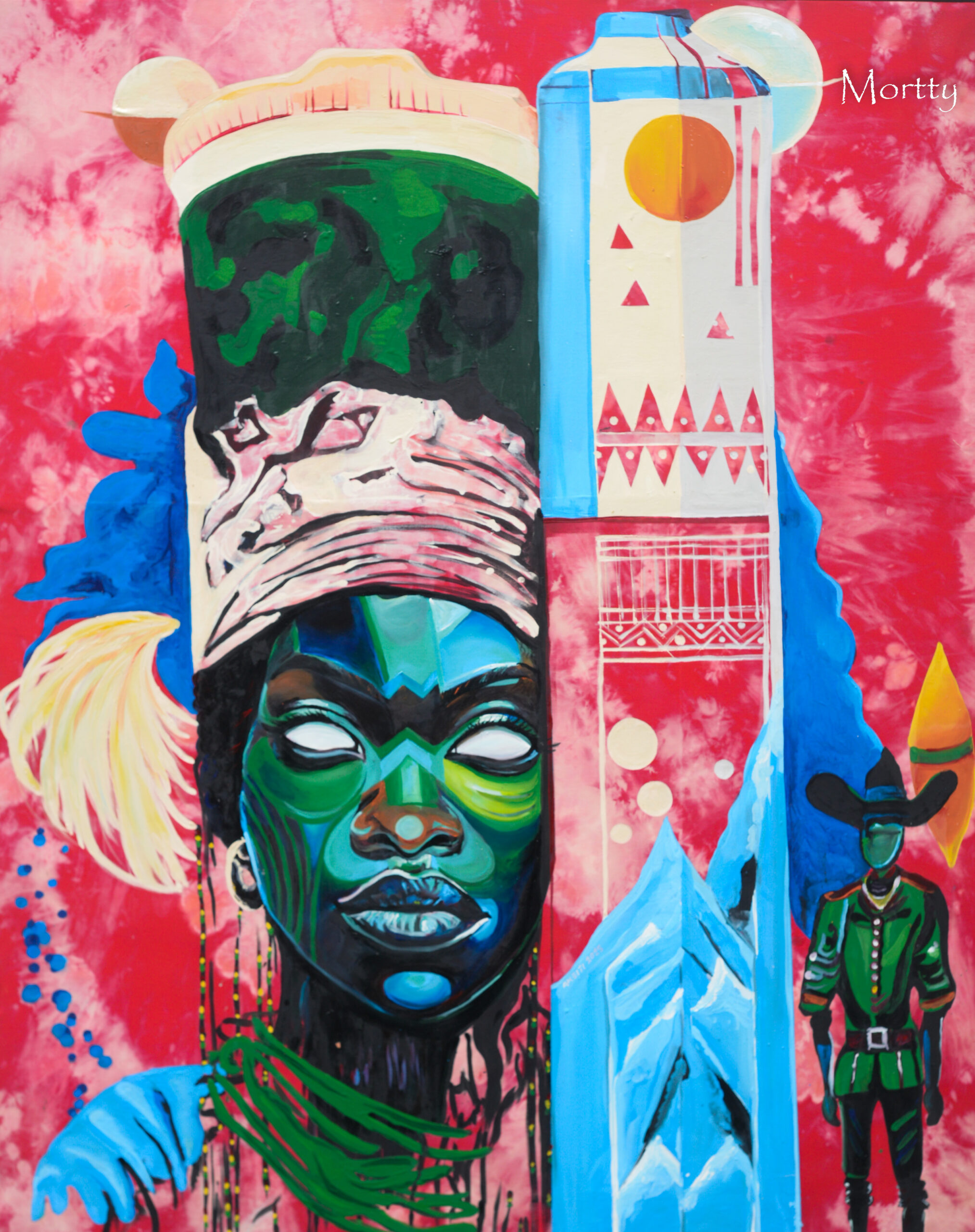
This work allows viewers to immerse themselves into the glorious past of their ancestors.
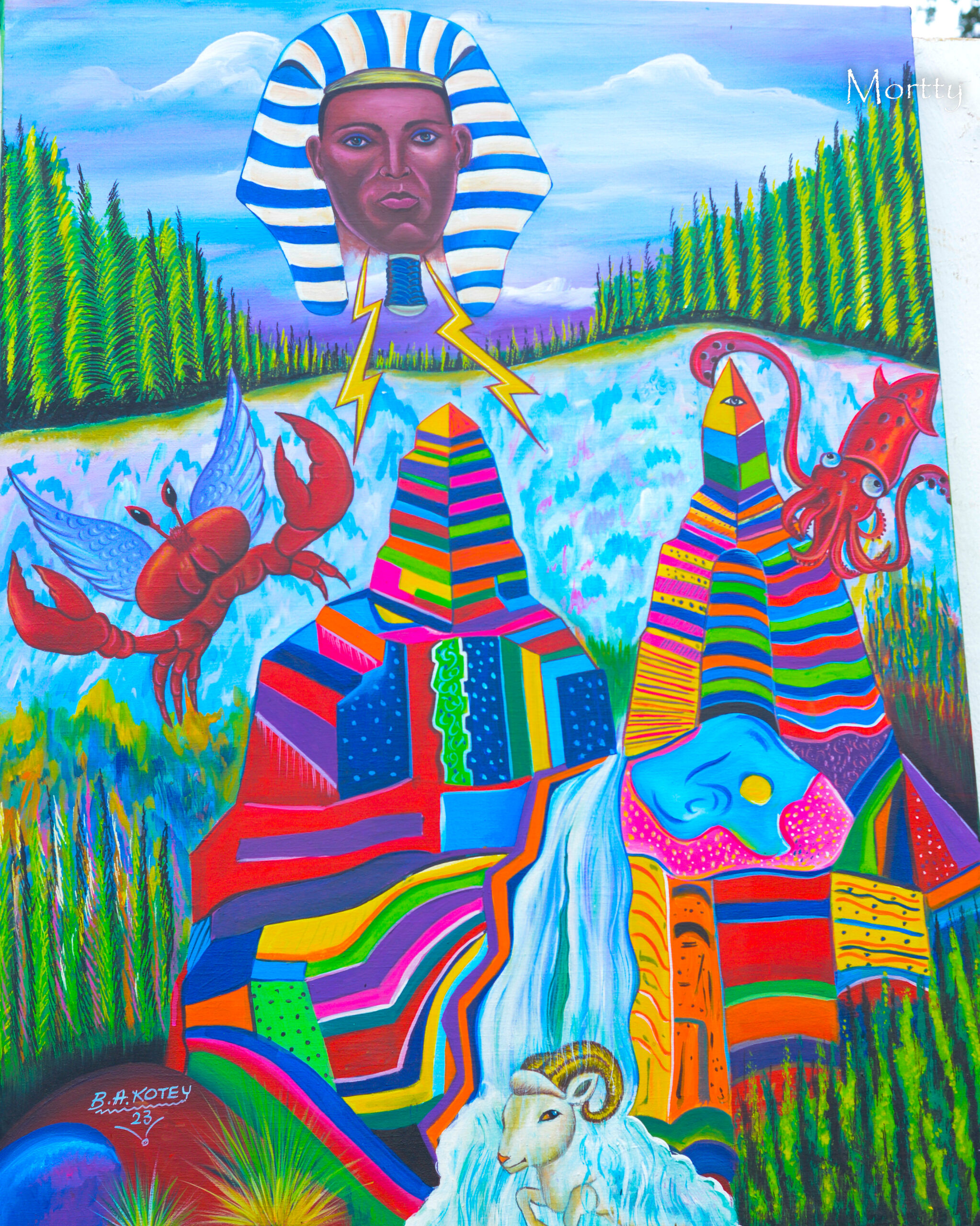
The bold and vibrant colours are not lost on the patrons of the artworks, colour palettes which are synonymous with the African energy: Past, present and future.
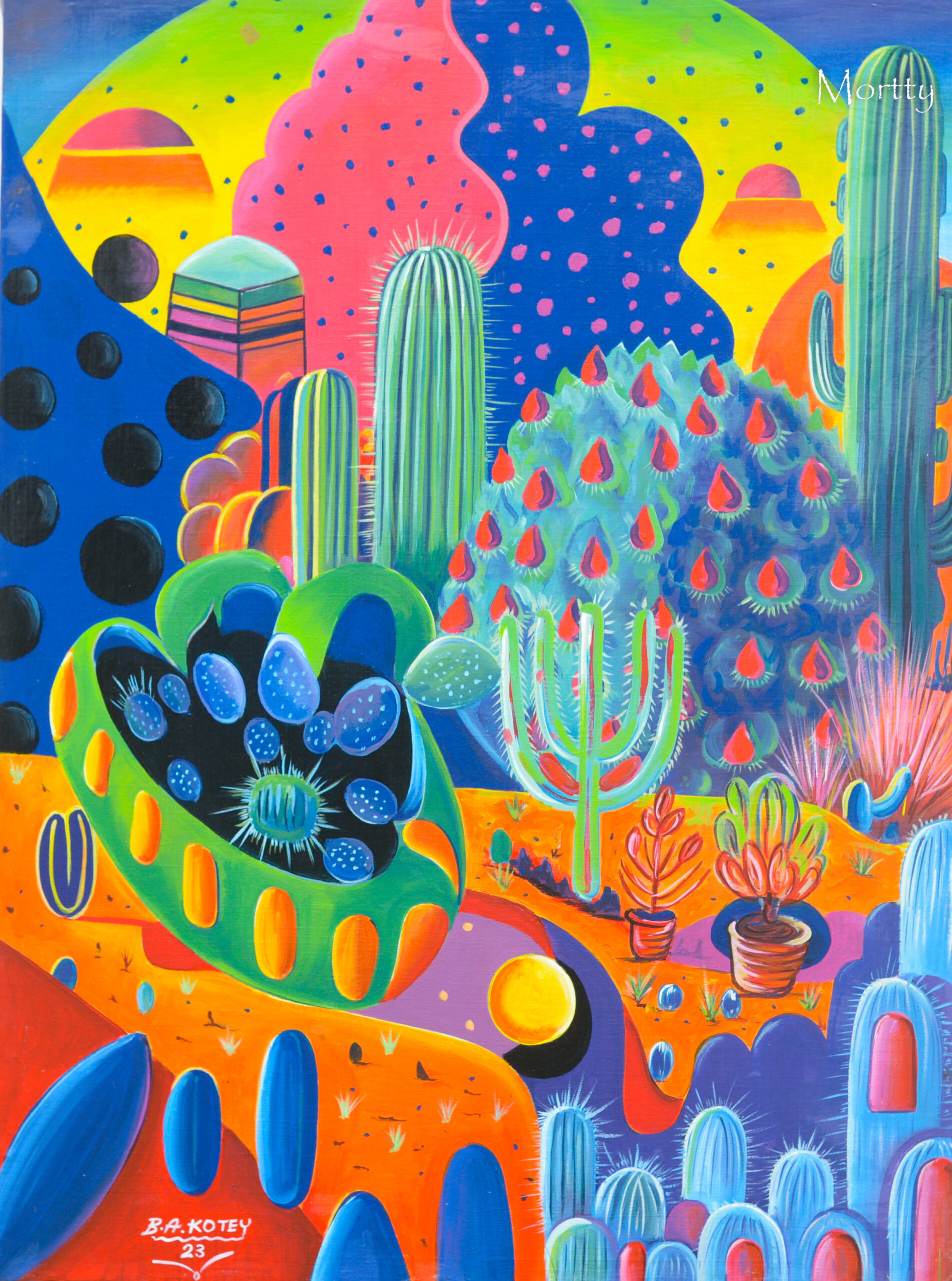
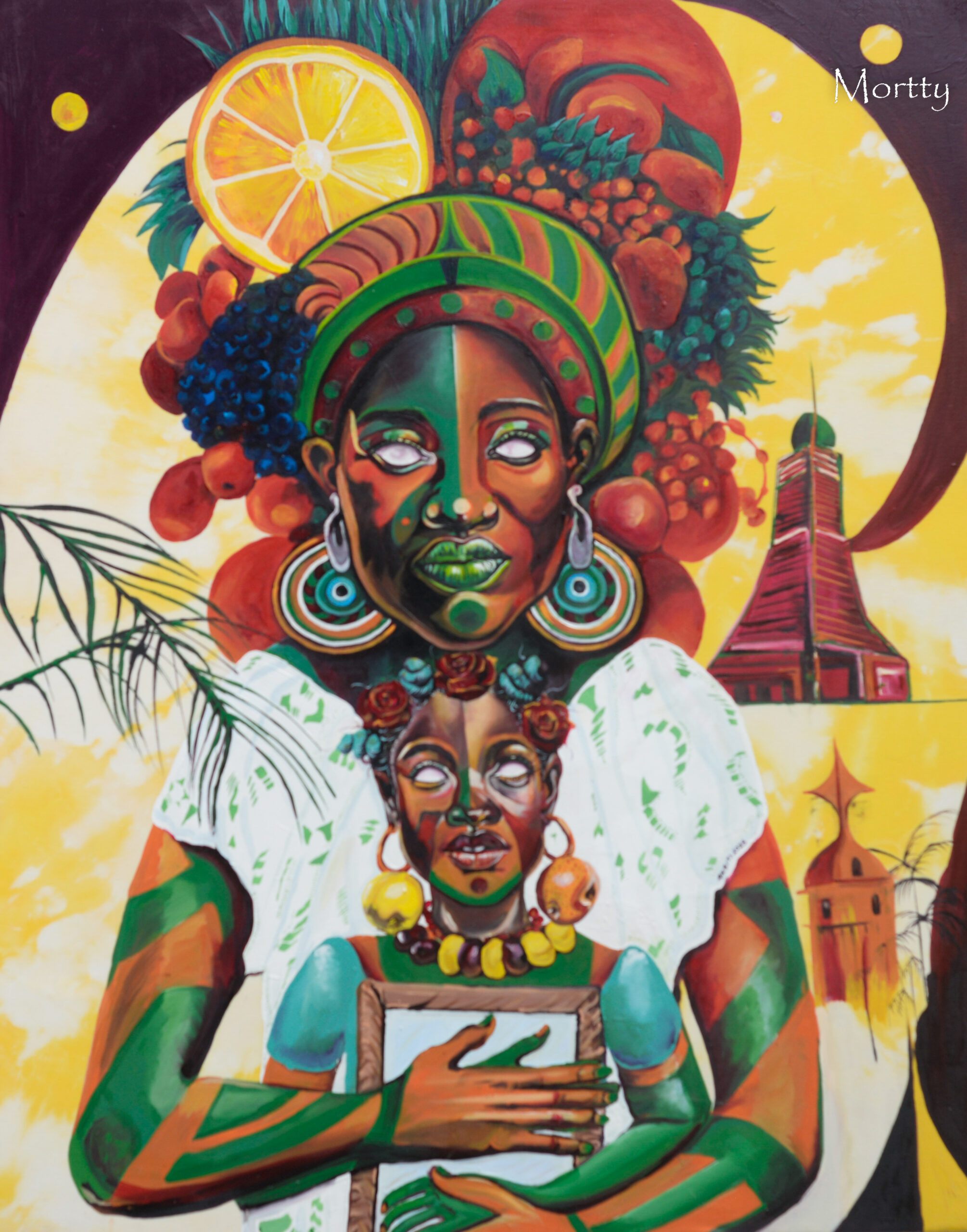
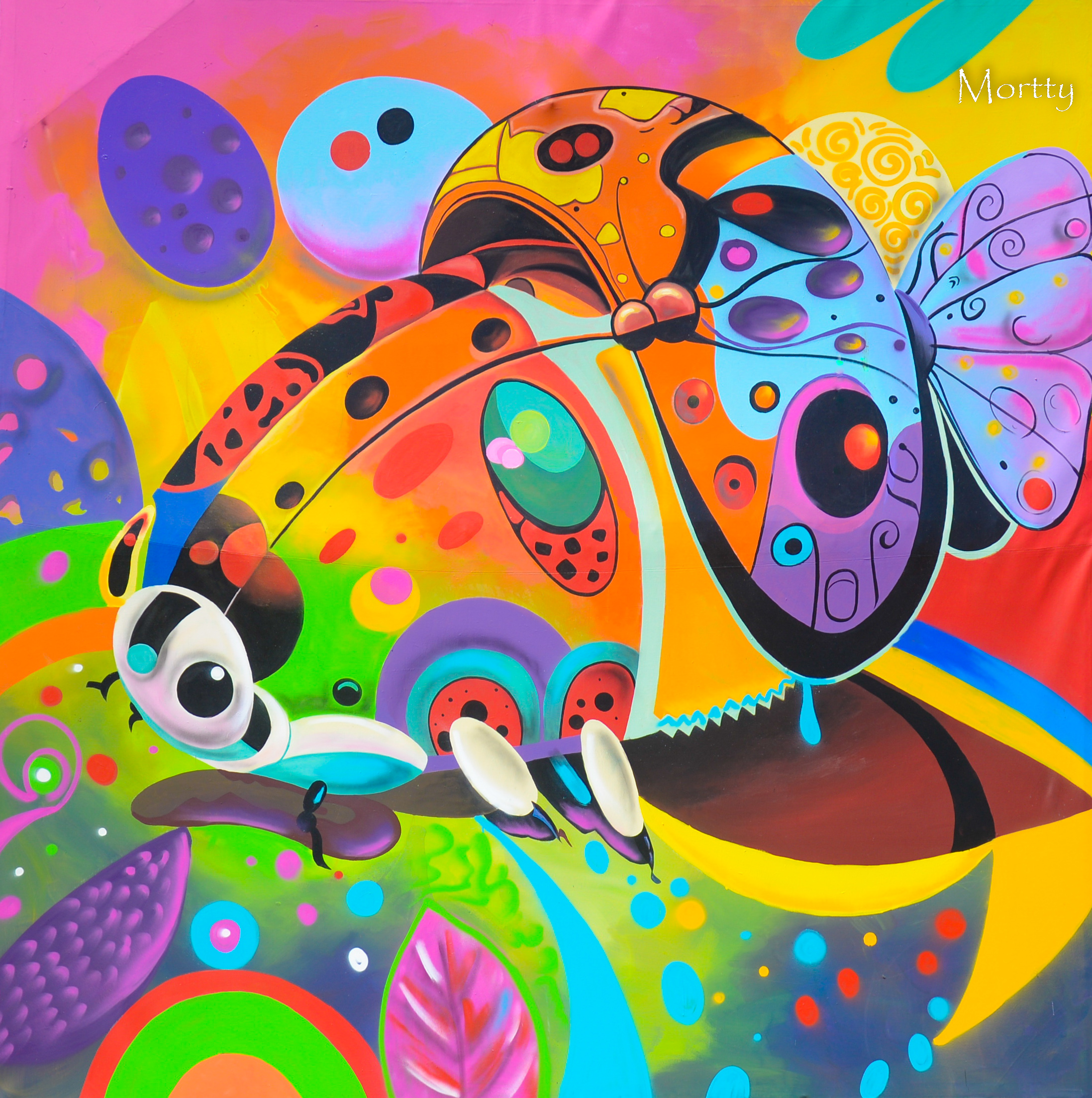
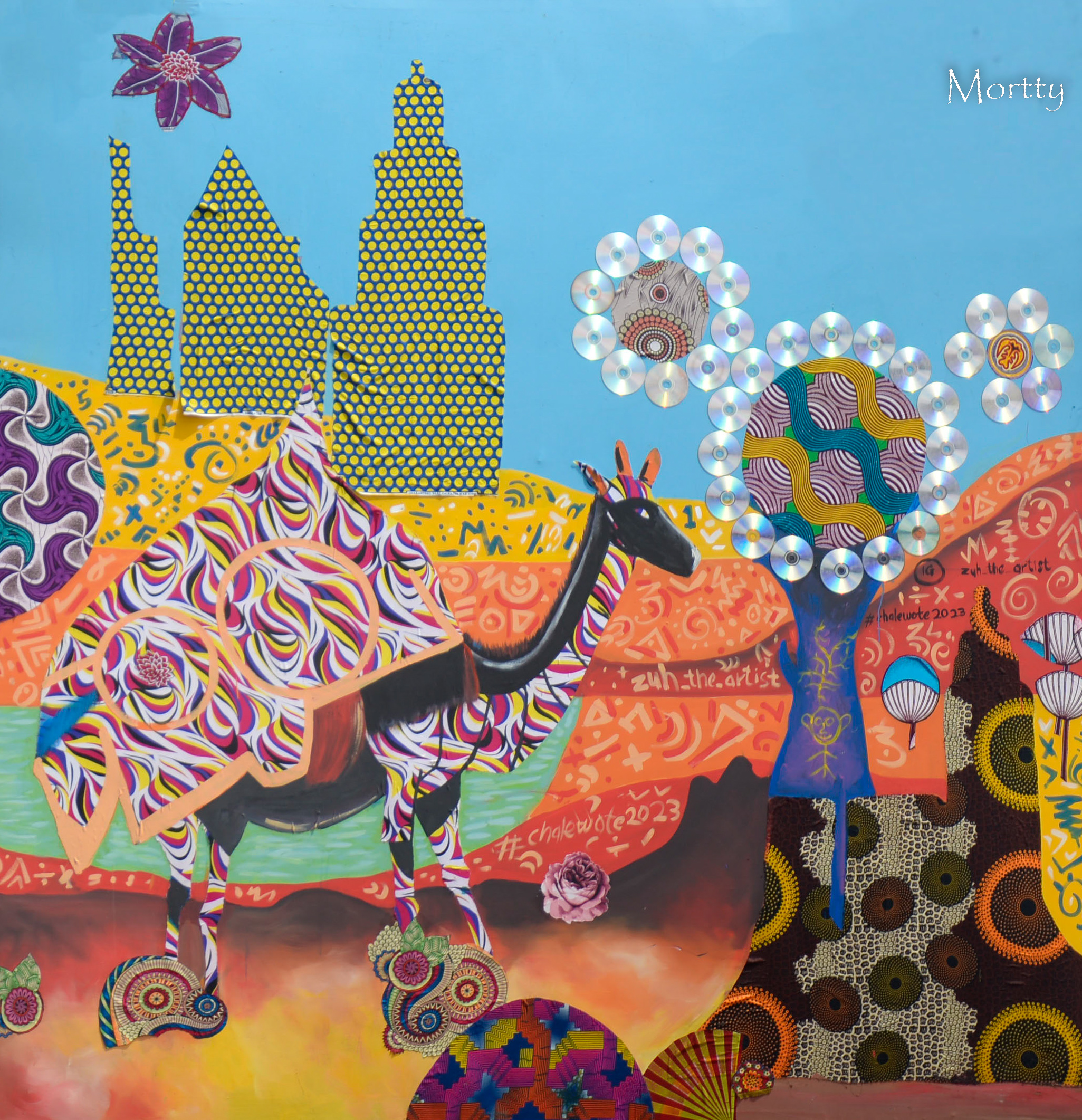
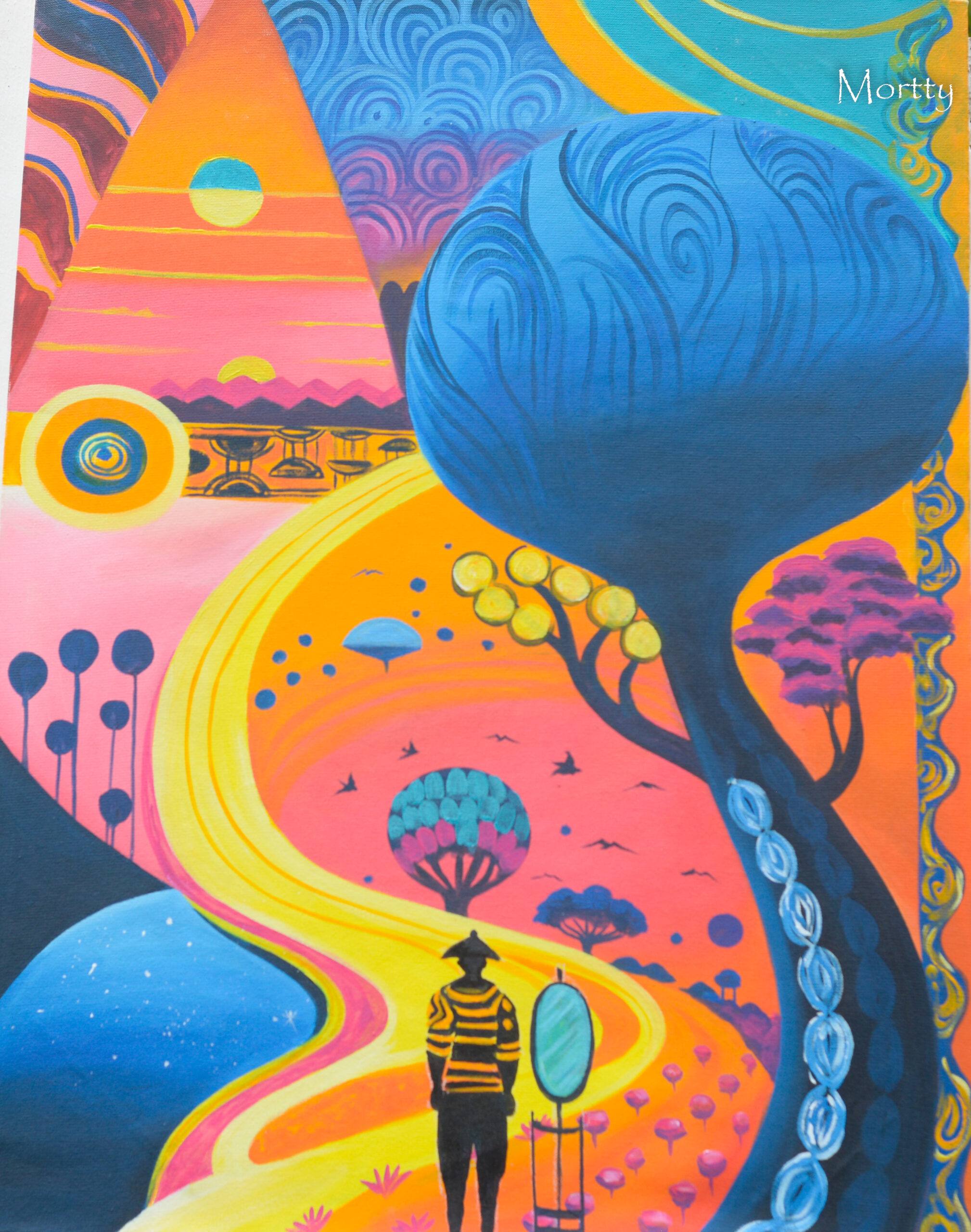
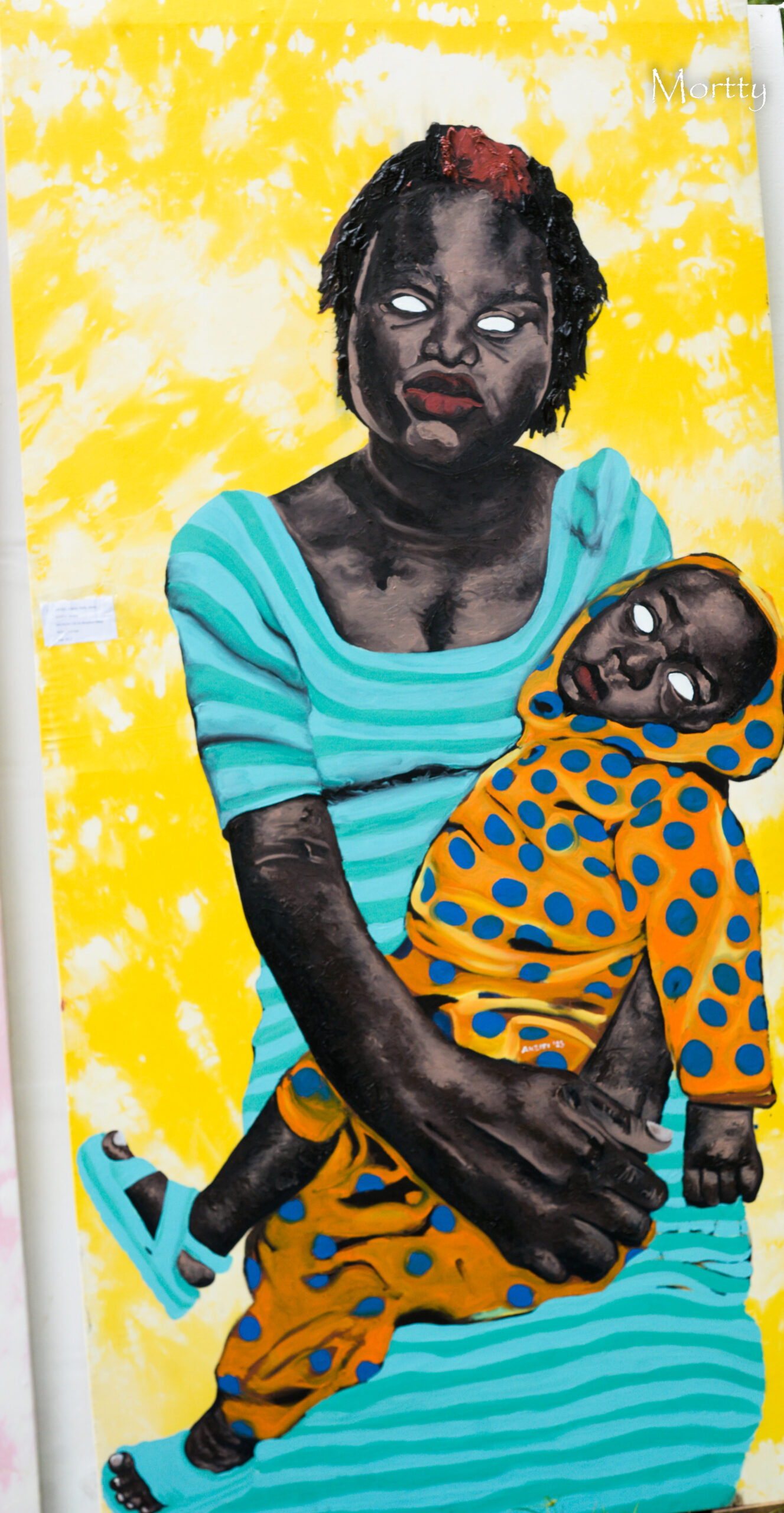
The exhibition: “This Is Not Make-Believe” is a collaboration between Accradotaltradio (AI Augmented Art) and Ghanaian Art Collective; AfuabeGh (Paintings).
Photos: Mortty